Long-Read Sequencing Test Identifies Genetic Causes in Inherited Muscle Disease
Posted on 28 Sep 2026
Inherited muscle diseases are highly heterogeneous and often progressive, leaving many patients without a molecular diagnosis despite extensive testing. Conventional assays typically target individual genes or variant classes, which can miss complex pathogenic changes and prolong the diagnostic process. A new long-read DNA sequencing test now screens hundreds of myopathy-related genes in a single run and has provided diagnoses for previously unresolved cases.
Developed at the Garvan Institute of Medical Research (Sydney, Australia), the test is described as the first of its kind and is intended to identify the genetic cause of inherited muscle disease in individuals who have remained undiagnosed after standard workups. In an initial Australian cohort, it provided answers for people whose symptoms had eluded explanation for years. The approach is positioned to consolidate disparate gene‑by‑gene assays into a single comprehensive analysis.
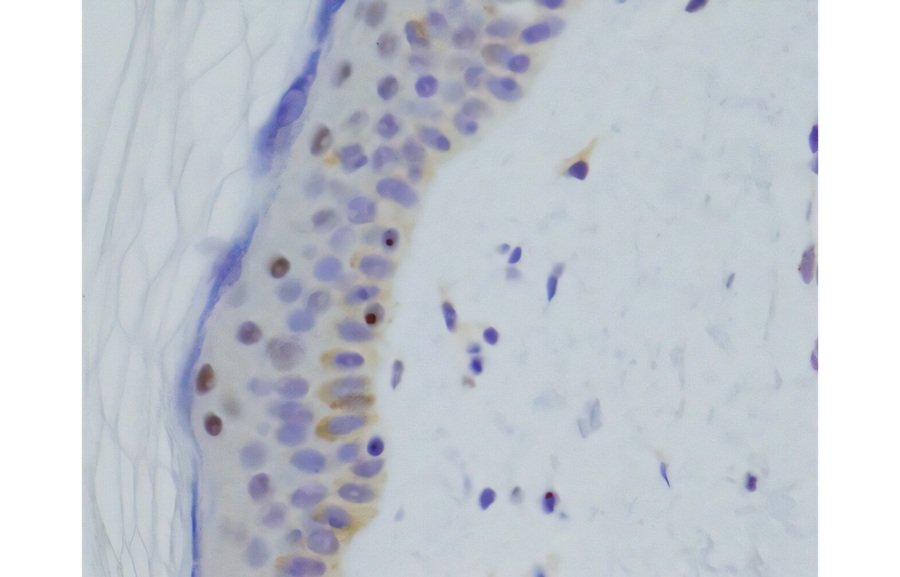
The assay employs long‑read “nanopore” sequencing to capture extended stretches of DNA and resolve variant types that routine tests frequently miss. In one experiment, it interrogates more than 300 genes implicated in inherited myopathies and detects a full spectrum of genomic changes, including single‑nucleotide variants, large deletions or duplications, unstable repeat expansions, and epigenetic marks. This breadth addresses key gaps that have limited prior diagnostic panels.
Study results, published in Nature Communications, covered 53 Australians with known or suspected inherited muscle disease, including 31 whose earlier genetic testing was inconclusive. More than a third of those previously unsolved cases received a diagnosis through the new test, and participants had been without answers for a median of 14 years. In some instances, the assay pinpointed variants not targeted by existing Australian clinical tests; in others, it corrected misdiagnoses.
The team is working with NSW Health Pathology’s Molecular Medicine Laboratory at Concord Hospital to integrate the assay into routine care and estimates it could be available nationally within about two years. While validated here for muscle disease, the developers note the workflow is disease‑agnostic and could be adapted for other rare inherited disorders. The analysis framework was designed to translate complex long‑read data into reports suitable for diagnostic laboratories.
“Many muscle diseases have no available genetic test, and for others, there is a separate test for each different gene involved. Here we’ve shown that it’s possible to test all genes at once, and that’s a game changer for someone who has been through years of inconclusive tests,” said Dr. Ira Deveson, lab head at the Garvan Institute of Medical Research and co‑senior author.
“Some patients had been searching for an explanation for their symptoms for over a decade, undergoing repeated investigations, including blood tests, MRI scans, neurophysiologic studies and even muscle biopsies. Being able to finally give them a name for what they have is significant, both for them and for their families,” stated Dr. Dennis Yeow, neurologist and Ph.D. candidate at The University of Sydney, who co‑led the study.
Related Links
Garvan Institute