Prehospital Blood Test Could Reduce Emergency Transfers for Chest Pain
Posted on 25 Sep 2026
Chest pain leads to ambulance transport to an emergency department for about 95% of patients, although only a minority have a serious cardiac condition. Troponin testing helps assess heart muscle damage, but it is usually performed in a hospital laboratory after arrival. Earlier risk assessment could help ambulance crews decide who needs emergency evaluation. A new study shows how point-of-care troponin testing combined with a clinical risk score changed prehospital triage in the Netherlands.
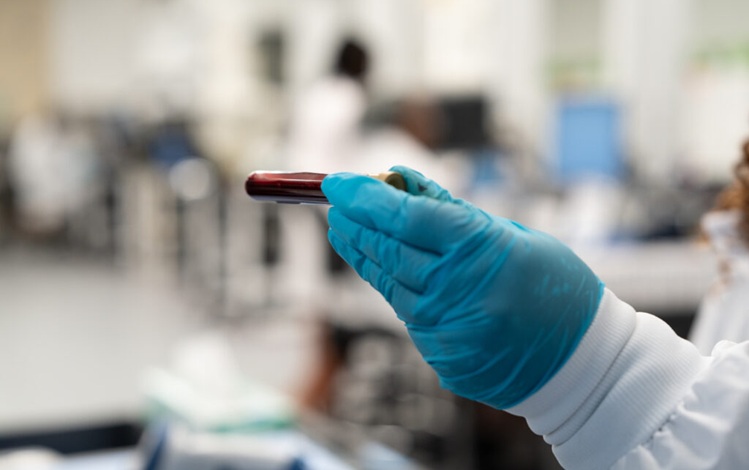
The study, conducted by the Rotterdam-Rijnmond ambulance service, evaluated a triage approach combining a QuidelOrtho high-sensitivity point-of-care troponin test with the HEART score. The blood test measures troponin proteins, which rise when heart muscle is damaged, and can provide results in less than 20 minutes. The HEART score then incorporates the troponin result with medical history, electrocardiogram findings, age, and other risk factors to estimate the likelihood of a major adverse cardiovascular event.
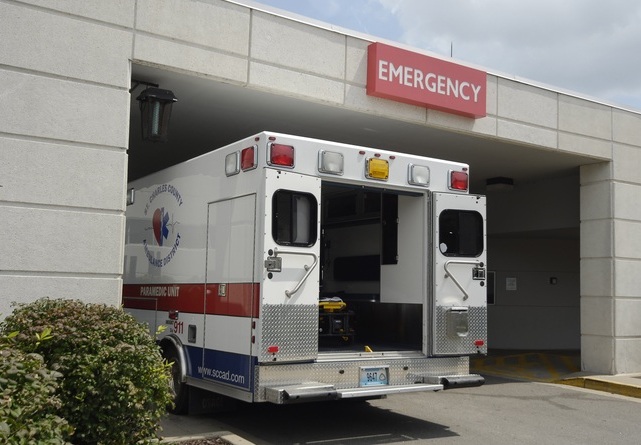
The before-and-after study enrolled 1,022 patients with chest pain between 2022 and 2025. During the before phase, 539 patients received the usual ambulance assessment, while in the after phase, 483 patients were additionally evaluated using the point-of-care troponin test and HEART score. Patients with a low HEART score and a troponin level below four nanograms per liter could remain at home or be referred to a general practitioner, provided ambulance crews did not suspect another serious condition. Follow-up lasted at least one month for all patients and exceeded six months for most.
Under usual care, 19 patients (3.5%) were left at home, compared with 165 patients (34.2%) after the new approach was introduced. With follow-up data available for 86% of participants, 109 patients (12.4%) experienced a major adverse cardiovascular event within 30 days, including 15.0% in the before phase and 9.8% in the after phase. Among patients who remained at home, one of 165 (0.6%) experienced such an event after implementation of the new approach, compared with none of the 19 patients left at home under usual care.
The researchers noted that not all eligible patients were included and that the after-phase group contained a higher proportion of low-risk patients, although adjusting for this difference did not meaningfully alter the results. Overall, the study suggests that combining point-of-care troponin testing with HEART scoring may help reduce emergency department referrals among selected patients with chest pain.
"Hospital referrals were reduced significantly, avoiding hospital overcrowding and unnecessary use of medical resources, while enabling more patients to avoid the stresses of the hospital environment. This is good for patients and good for hospitals," said Dr. Barbra Backus, a co-developer of the HEART score, while presenting the findings at the European Emergency Medicine Congress.
"Beyond emergency medical services, this approach could, with further validation, eventually be extended to other primary care settings, facilitating more efficient patient triage and resource utilization across the health care system," said Dr. Maša Sorić, head of the emergency department at University Hospital Merkur in Zagreb, Croatia, and a member of the EUSEM abstract selection committee.
Related Links
European Society for Emergency Medicine