Simple Test Could Reduce the Need for Invasive Uterine Cancer Checks
Posted on 24 Sep 2026
Bleeding after menopause requires prompt investigation for uterine cancer, although most women who undergo testing do not have the disease. In the U.K., uterine cancer affects nearly 10,000 women each year, yet only 5%–10% of those investigated for postmenopausal bleeding are ultimately diagnosed with cancer. Evaluation can involve uncomfortable invasive procedures, sometimes performed more than once. New findings now show that testing urine and vaginal samples could help identify which women are most likely to need further investigation.
The University of Manchester evaluated urine and vaginal cytology in the DETECT study. The approach examines cells collected from urine and vaginal fluid for abnormalities associated with cancer. Researchers at Manchester University NHS Foundation Trust (MFT) also participated in the work.
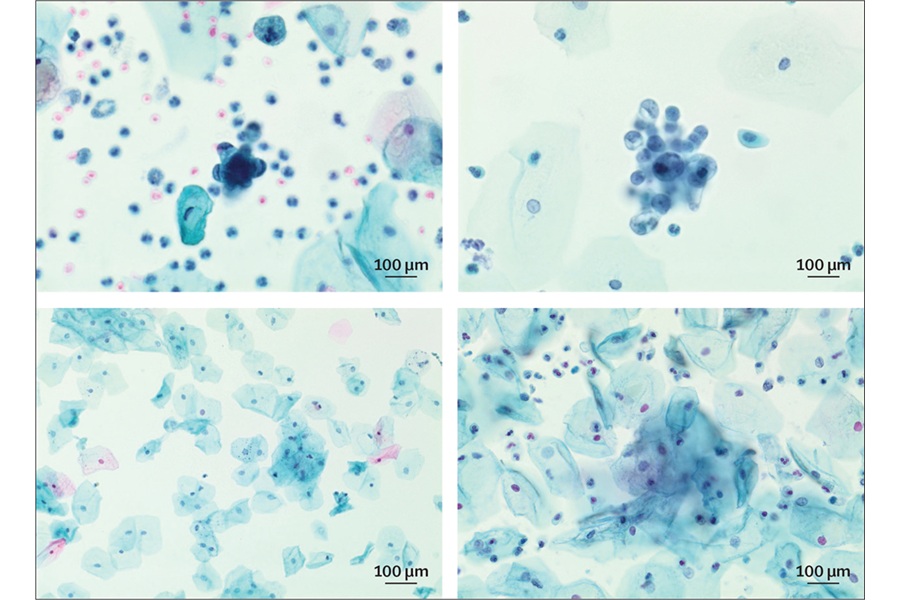
The diagnostic accuracy study enrolled 1,864 women attending hospitals with postmenopausal bleeding. Participants provided urine and vaginal fluid samples before their routine clinical investigations. Specialist cytopathologists examined the samples without knowing the participants’ diagnoses. Investigations found cancer in 115 women, including 99 with uterine cancer and a smaller number with other pelvic cancers.
Combined urine and vaginal cytology correctly identified more than 80% of cancers and had a negative predictive value of 98.8% for uterine cancer. The vaginal test performed slightly better than urine testing alone. The approach identified 95.8% of high-grade tumors and 96.4% of cancers that had spread beyond the uterus. In a small subgroup of Black women, it detected 100% of cancers with 96% specificity.
The study was published September 22 in The Lancet Obstetrics, Gynaecology & Women’s Health. A separate analysis from the group, published in the same journal that day, found disparities in how current tests perform for Black women. The researchers suggest urine and vaginal cytology could help determine who needs urgent invasive investigation, but say further studies must assess its performance in routine practice and whether it reduces the number of invasive procedures.
"Bleeding after menopause is understandably alarming for women because it can be a sign of cancer, but the vast majority of those investigated will not have the disease," said lead researcher Emma Davidson, a professor at The University of Manchester and honorary consultant in gynecologic oncology at MFT.
"At the moment, many women face invasive, uncomfortable tests that can be stressful as well as costly for health services before cancer can be ruled out. Our study shows that a simple test using urine and vaginal samples could help identify the women most likely to have cancer while safely reassuring many others much earlier in the diagnostic pathway. If further studies confirm these findings in routine practice, this approach has the potential to transform care for thousands of women every year," added Davidson.
Related Links
University of Manchester