Multi-Cancer Blood Test Expands Detection to Cancers Lacking Routine Screening Options
Posted on 23 Sep 2026
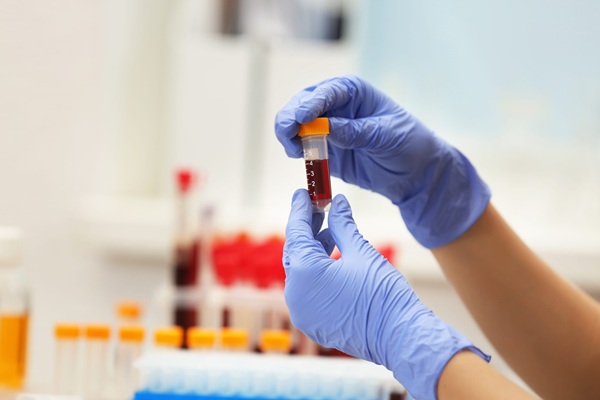
Many lethal cancers lack routine screening and are often diagnosed only after symptoms emerge, limiting curative options. Standard programs in the United States cover a small subset of malignancies, leaving pancreatic, ovarian, liver and bile duct cancers frequently caught late. Liquid biopsy approaches analyzing cell-free DNA aim to expand detection to dozens of tumor types with a single blood draw. A new study shows that adding a multi-cancer early detection blood test to recommended screening substantially increased cancers found at earlier stages.
Researchers at Oregon Health & Science University and Mayo Clinic led an evaluation of GRAIL’s Galleri test in the PATHFINDER 2 study, with findings published in Nature Medicine on September 22, 2026. The assay uses a machine-learning algorithm to analyze chemical patterns in cell-free DNA (cfDNA), distinguishing signals from healthy and cancerous cells. When a cancer signal is detected, it also predicts the likely location in the body to guide further diagnostic evaluation.
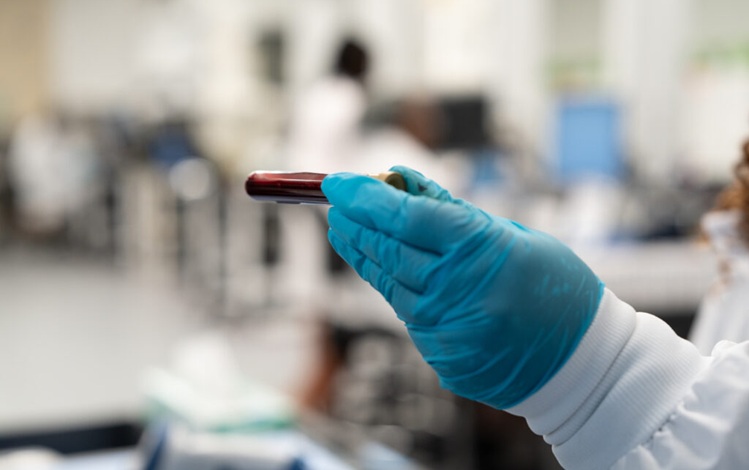
PATHFINDER 2 enrolled 35,878 adults aged 50 years and older across the United States and Canada, making it the largest interventional multi-cancer early detection (MCED) study conducted in North America. OHSU served as the largest and leading enrollment site, contributing approximately 6,100 participants through the Knight Early Detection Clinical Research team. The trial assessed how many cancers the test identifies, along with accuracy and safety, in a study where all participants received the test.
Adding Galleri to clinical recommendations for breast, colorectal, cervical and lung screening increased the number of screening-detected cancers 6.5-fold. Among newly detected cancers, nearly half were stage 1–2 and nearly three-quarters were stage 1–3, and 70% were malignancies without national screening recommendations.
The test produced a cancer signal in 287 participants; 173 were ultimately diagnosed with cancer, yielding a positive predictive value of 60.3%. Specificity was 99.64% (false-positive rate 0.36%). The test correctly predicted cancer location 91.3% of the time. Among more than 35,000 participants evaluated for safety, only 0.6% underwent an invasive procedure after a positive result, and most procedures were nonsurgical.
The results are scheduled to be presented to a Food and Drug Administration advisory committee reviewing evidence supporting potential approval of the test. OHSU noted statewide partners involved in the effort, including the Oregon Rural Practice-based Research Network, the Knight Community Outreach and Engagement program, St. Charles Health System (Bend), Salem Hospital and Bay Area Hospital (Coos Bay).
The United Kingdom’s randomized NHS-Galleri trial, with complementary data published in The New England Journal of Medicine and Nature Medicine, enrolled nearly 140,000 participants in 10.5 months. While no statistically significant reduction was seen in combined stage 3–4 cancers overall, later rounds showed favorable trends, including more than a 20% decrease in stage 4 diagnoses across 12 of the deadliest cancers and increased stage 1–2 detections.
OHSU also highlights ongoing and planned programs: REACH, evaluating annual MCED testing among Medicare beneficiaries, and INFORM, a collaboration with Dana-Farber Cancer Institute assessing testing in people with inherited cancer risk using telehealth, mobile phlebotomy and community laboratory partners.
“We screen for just five cancers, yet the ones we can't screen for cause up to 70% of cancer deaths in this country; that’s the gap this blood test helps close. It finds many of these cancers while they’re still asymptomatic and localized, when cure is still possible. It’s not a replacement for standard screening, but a powerful complement to it. Used together, we catch far more cancers early,” said Nima Nabavizadeh, M.D., lead author of the study and professor of radiation medicine and director of early detection clinical research in the OHSU Knight Cancer Institute.
“We’re at a watershed moment. The promise of finding dozens of cancers through a single blood test is real — but promise isn’t proof, and rigorous clinical trials are how a technology like this earns its place before commercialization. PATHFINDER 2 and complementary studies in the United Kingdom are advancing that evidence, and our team at OHSU will keep doing the work to move the early detection field forward,” said Dr. Nabavizadeh.
Related Links
OHSU Knight Cancer Institute