WHO Emergency Listing Supports Rapid Molecular Testing for Ebola Outbreak Response
Posted on 07 Sep 2026
The Democratic Republic of the Congo is confronting an Ebola Bundibugyo outbreak that the World Health Organization (WHO) designated a Public Health Emergency of International Concern on May 17, 2026. Rapid identification of suspected cases is critical for timely containment and coordinated public health response. Molecular assays that shorten time to actionable results are especially valuable in decentralized settings. A newly WHO-listed test now offers approximately one-hour detection of multiple hemorrhagic fever viruses to support the response.
Cepheid’s Xpert Hemorrhagic Fever Panel is a molecular diagnostic assay that runs on the company’s GeneXpert Dx systems. The test detects and identifies nucleic acids from Ebola virus (including Zaire, Sudan, Taï Forest, and Bundibugyo, not differentiated), as well as Crimean-Congo hemorrhagic fever virus, Marburg virus, and Lassa virus. Reported time to result is about one hour, enabling use in settings where rapid triage and isolation decisions are required.
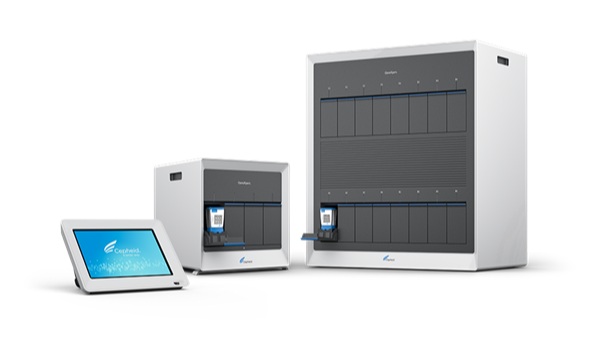
WHO has granted Emergency Use Listing (EUL) for the Xpert Hemorrhagic Fever Panel to support diagnostic response during the current Ebola Bundibugyo outbreak in the DRC. The listing enables healthcare providers and public health authorities to leverage decentralized, rapid molecular testing to help identify suspected cases and support outbreak containment. Cepheid notes an extensive GeneXpert Dx system footprint across Africa that can facilitate rapid deployment where testing is needed.
The company cites more than a decade of experience in Ebola diagnostics, including deployment of its Xpert Ebola test under U.S. Food and Drug Administration Emergency Use Authorization during the 2014–2016 West Africa outbreak. In June 2026, an initial shipment of Xpert Hemorrhagic Fever tests was donated to support the DRC response. The test is U.S. FDA 510(k) cleared for use by the U.S. Department of Defense and included in the DoD’s Next Generation Diagnostics System 2 program. The assay is an in vitro diagnostic medical device and is not available in all countries.
“Rapid and accurate diagnostics is one of the most important tools for controlling outbreaks of highly infectious diseases such as Ebola. With an established footprint already serving communities across Central and East Africa, we are well positioned to support healthcare providers and public healthcare authorities with timely access to reliable diagnostic information. This listing reinforces our commitment to partnering with global health organizations to expand access to critical diagnostics where and when they are needed most—and is an example of how we solve the hardest problems together,” said Connie Savor, Chief Medical Officer at Cepheid.