Biomarker-Guided Framework Aims to Guide Mantle Cell Lymphoma Therapy
Posted on 07 Sep 2026
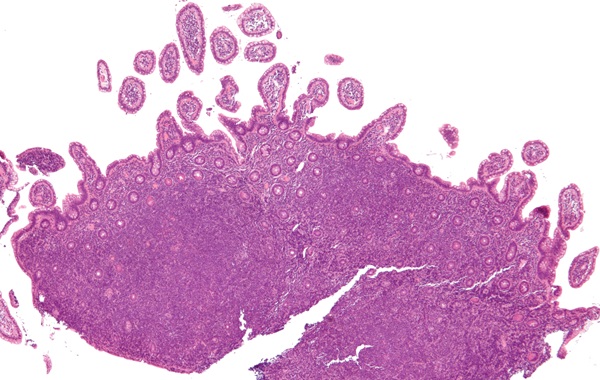
Mantle cell lymphoma can follow widely variable courses, from indolent disease to rapidly progressive cancer, complicating initial treatment selection. Many therapeutic decisions still rely on patient age and fitness, despite advances in understanding tumor biology and the emergence of new treatment options. Aligning treatment intensity with biological risk could help reduce overtreatment while improving early intervention for patients at highest risk of relapse.
Uppsala University (Uppsala, Sweden) researchers outline a risk-adapted treatment framework that stratifies mantle cell lymphoma at diagnosis using biological markers. The research highlights alterations in the tumor suppressor gene TP53, a high proliferation index measured by Ki-67, and blastoid morphology as features that can identify patients at highest risk of early relapse and death. Testing for measurable residual disease (MRD), or residual tumor cells after therapy, is cited as an additional marker of treatment response that can help guide ongoing management.
The authors propose grouping patients into low-, standard-, high-, and ultra-high-risk categories to better align therapy with disease biology. For those with high- or ultra-high-risk disease, earlier use of targeted agents and T-cell-directed immunotherapies, including chimeric antigen receptor T-cell (CAR-T) therapy and bispecific monoclonal antibodies, may be warranted and should be studied in first-line care. By contrast, patients with indolent or low-risk disease could receive less intensive or even chemotherapy-free regimens to reduce side effects without compromising effectiveness.
Published in The Lancet Haematology on September 2, 2026, the perspective emphasizes that several proposed strategies require validation in clinical trials before adoption as standard practice. Even so, the authors argue that current biological insights justify designing future studies and treatment guidelines around tumor characteristics rather than primarily around patient age. The piece underscores a shift from a one‑size‑fits‑all approach toward biologically tailored management beginning at diagnosis.
“We still treat patients as if mantle cell lymphoma is one homogeneous disease, even though we know today that there are very big biological differences. We can now identify patients who are at very high risk of relapse and dying from the disease right at the time of diagnosis. So it's reasonable to ask why they should receive the same treatment as patients whose disease is far more slow-growing,” said Prof. Ingrid Glimelius, Ph.D., from the Department of Immunology, Genetics and Pathology at Uppsala University.
“The goal is not for everyone to get more treatment. On the contrary, risk adaptation is about providing the right treatment to the right patient. Those who have aggressive disease need to receive our most effective treatments earlier, but we should also avoid overtreating patients whose disease has a much more indolent course,” added Glimelius.
Related Links
Uppsala University