FDA Clears Liquid Biopsy Test to Guide Earlier Breast Cancer Therapy Switch
Posted on 07 Sep 2026
Guardant360 CDx (Guardant Health, Inc.; Palo Alto, CA, USA) has been approved by the U.S. Food and Drug Administration (FDA) as a companion diagnostic to identify patients with hormone receptor (HR)-positive, HER2-negative advanced or metastatic breast cancer harboring ESR1-mutated tumors before radiographic progression who may benefit from ETCAMAH (camizestrant), AstraZeneca’s next-generation oral selective estrogen receptor degrader.
The authorization recommends repeat Guardant360 CDx testing every three months during therapy to detect emerging ESR1 mutations before clinical or radiographic progression. It is the first FDA-approved liquid biopsy companion diagnostic cleared for longitudinal testing in breast cancer. This approval expands the Guardant360 CDx platform to 29 companion diagnostic indications globally.
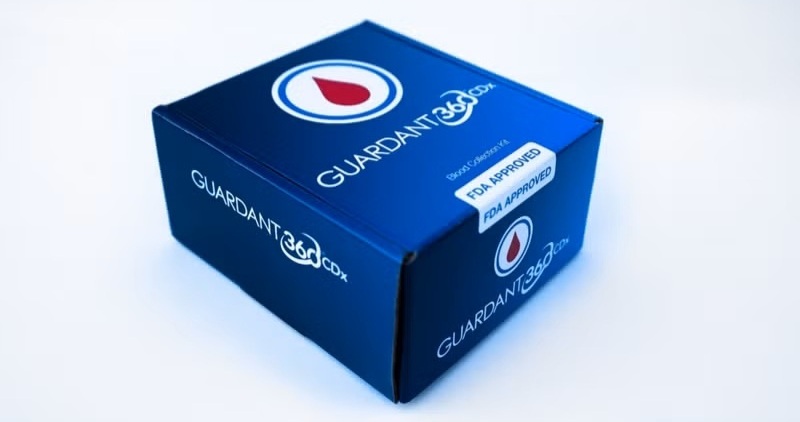
The blood-based assay provides comprehensive genomic profiling from circulating tumor DNA (ctDNA) across solid tumors and supports high-sensitivity ESR1 mutation detection across serial timepoints. In the context of this approval, ctDNA monitoring is used to guide adaptive cancer management by triggering a switch to camizestrant when ESR1 resistance mutations are detected ahead of imaging-based progression. The approach is intended to intercept resistance earlier while patients remain on a cyclin-dependent kinase (CDK) 4/6 inhibitor backbone.
Regulatory clearance was supported by the Phase III SERENA-6 trial, which evaluated ctDNA-guided switching to camizestrant plus a CDK4/6 inhibitor after ESR1 mutation detection, compared with continued treatment with an aromatase inhibitor plus a CDK4/6 inhibitor. Patients in the ctDNA-guided arm had a 56% lower risk of disease progression or death. Median progression-free survival was 16.0 months versus 9.2 months, a 74% longer median progression-free survival, and the risk of deterioration in global health status and quality of life was reduced by 47%. Participants underwent serial Guardant360 CDx testing every three months while receiving first-line endocrine therapy.
Approximately 37,000 women in the U.S. living with advanced HR-positive breast cancer who are being treated with an aromatase inhibitor could potentially benefit from this new therapeutic approach leading to better progression-free survival and outcomes. Historically, biomarker testing in advanced cancer was generally performed only after clinical or radiographic progression. The SERENA-6 study demonstrated the value of a different strategy: monitoring ctDNA during first-line endocrine therapy to detect emerging resistance before overt disease progression.
“This approval represents a landmark shift in how we define disease progression and reinforces the transformative role of liquid biopsy in guiding therapy decisions earlier at a critical moment in a breast cancer patient’s treatment journey. The SERENA-6 paradigm opens a new frontier in how cancer is managed, with potential application across different diseases and therapies,” said Helmy Eltoukhy, Guardant Health chairman and co-CEO.
Related Links
Guardant Health





.jpg)