New Immune Target Could Support More Precise High Blood Pressure Treatment
Posted on 04 Sep 2026
High blood pressure is a leading driver of cardiovascular morbidity and mortality, and nearly half of U.S. adults are affected despite the availability of multiple drug classes. Persistent arterial stiffening and inflammation complicate disease control and raise event risk. Clarifying immune drivers that link vascular injury and hypertension could inform more targeted strategies.
At the University of Missouri, investigators identified transglutaminase 2 (TG2) in myeloid cells as a candidate target relevant to hypertension. TG2 is also present in vascular cells and immune cells that regulate inflammatory responses, and prior work has linked it to arterial stiffening. The team examined whether TG2 activity in myeloid cells contributes to inflammatory processes that worsen elevated blood pressure.
Using mouse cohorts, researchers compared animals with normal TG2 expression in myeloid cells with animals in which TG2 was deleted specifically from those cells. All groups received angiotensin II, a hormone that regulates blood pressure and is commonly used to induce hypertension in experimental models. Outcomes included blood pressure, vascular stiffness, and markers of inflammation. The study focused on female mice, with plans to evaluate males in future work.
Mice with intact TG2 showed the expected rise in blood pressure, increased arterial stiffness, and heightened inflammatory signaling after angiotensin II exposure. By contrast, animals lacking TG2 in myeloid cells showed these changes to a lesser degree, indicating that myeloid TG2 activity contributes to hypertensive and vascular-stiffening responses. Although hypertension is multifactorial, the findings implicate TG2 as a potential target for modulating inflammatory pathways tied to disease severity.
The study, “Myeloid transglutaminase 2 regulates Treg-Th17 balance in a female model of angiotensin II-induced hypertension and vascular stiffening,” was published in the American Journal of Physiology. The work involved investigators from the University of Missouri School of Medicine and the Roy Blunt NextGen Precision Health initiative.
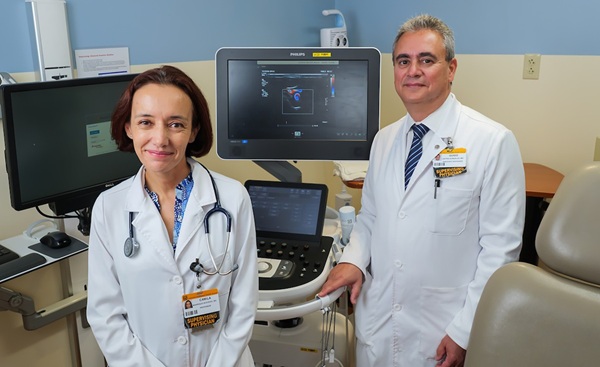
“High blood pressure increases the risk of cardiovascular disease tremendously, and while there are effective medications out there, many people still struggle to control their hypertension. If we can better understand the underlying mechanisms contributing to hypertension in the first place, perhaps that can one day lead to more precise treatments with potentially fewer side effects,” said Camila Manrique-Acevedo, professor at the University of Missouri School of Medicine and investigator at the Roy Blunt NextGen Precision Health building.
“Tailoring treatments for those who can benefit the most is what precision medicine is all about,” said Manrique-Acevedo.
Related Links
University of Missouri School of Medicine