Study Identifies Immune Cells That Drive Harmful Autoantibody Responses in COVID-19
Posted on 31 Aug 2026
Autoantibodies that mistakenly attack the body’s own tissues have been linked to severe COVID-19, Long COVID, and increased risk of autoimmune disease. However, the origins of these autoantibodies during SARS-CoV-2 infection have remained unclear, leaving a key gap in understanding how infection can disrupt immune regulation. New findings now identify the immune cell populations and molecular programs that drive autoantibody production in COVID-19.
At the Institute for Systems Biology (ISB; Seattle, WA, USA), investigators and collaborators identified atypical memory B lymphocytes as the primary precursors of autoantibody-producing cells during SARS-CoV-2 infection. In individuals with high autoantibody levels, these cells adopted a markedly different biological program. Laboratory experiments showed that atypical memory cells from these individuals were especially prone to mature into antibody-secreting cells that generated autoantibodies, while patients with higher autoantibody levels tended to have weaker virus-neutralizing antibody responses.
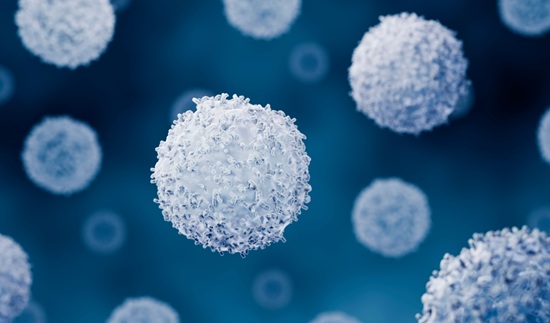
Published in Immunity on August 28, 2026, the study leveraged ISB’s longitudinal INCOV study and integrated multiple data layers to map B-cell responses during infection. Investigators combined single-cell RNA sequencing, chromatin accessibility profiling, plasma proteomics, proteome-wide autoantibody profiling, clinical data, laboratory experiments, and genetic analyses. This approach highlighted a major subset of atypical memory B cells, known as DN2 cells, that closely resembled immune cells previously implicated in autoimmune diseases. In patients with elevated autoantibodies, DN2 cells showed increased activity in signaling pathways controlled by Toll-like receptor 7 (TLR7), along with changes involving the transcription factors T-bet and XBP1.
Genetic analyses further strengthened the link between infection-driven immune responses and autoimmunity. Among all B-cell populations examined, DN2 cells showed the strongest enrichment for inherited genetic risk associated with multiple autoimmune diseases, including systemic lupus erythematosus, rheumatoid arthritis, multiple sclerosis, inflammatory bowel disease, Crohn’s disease, type 1 diabetes, and primary biliary cirrhosis. The findings suggest that infection may reveal underlying immune tendencies that, in genetically susceptible individuals, favor autoantibody production.
Understanding this process could help identify patients at higher risk for autoimmune complications and support development of therapies that interrupt these responses, although additional studies are needed to determine clinical impact. Collaborators included the University of Washington, Fred Hutchinson Cancer Center, Stanford University, Swedish Medical Center, and Providence.
“Our goal was to understand why some people produce autoantibodies after SARS‑CoV‑2 infection while others do not. By combining multiple layers of biological data, we were able to pinpoint the immune cells responsible and identify the regulatory mechanisms that distinguish them,” said Dr. Jim Heath, ISB President and Professor and senior author of the paper.
“Our findings point to specific immune pathways that could become future therapeutic targets. By understanding how these cells become activated, we move closer to interventions that could prevent or reduce harmful autoimmune responses following infection,” said Dr. Dan Yuan, lead author of the study.
Related Links
Institute for Systems Biology





.jpg)