New Diagnostic Workflow Identifies Bloodstream Pathogens and Antibiotic Response in Hours
Posted on 27 Aug 2026
Sepsis is a life-threatening complication of infection that affects more than 1.5 million patients annually in the United States and contributes to roughly one in three in-hospital deaths. Clinicians often have only hours to intervene, yet definitive identification of bloodstream pathogens commonly takes two to seven days. This lag forces empiric treatment and can miss resistant organisms. Addressing this diagnostic gap, a new culture-coupled workflow reduces diagnosis to hours, enabling earlier pathogen identification and antimicrobial susceptibility insights.
At Pennsylvania State University (Penn State), investigators developed an approach called STREAM that accelerates bloodstream infection workups while maintaining comprehensive readouts. The method reimagines culture rather than replacing it, aiming to shorten time-to-result without sacrificing sensitivity. The team noted that some existing culture-free blood tests trade speed for completeness, motivating a strategy that retains broad pathogen detection alongside rapid turnaround.
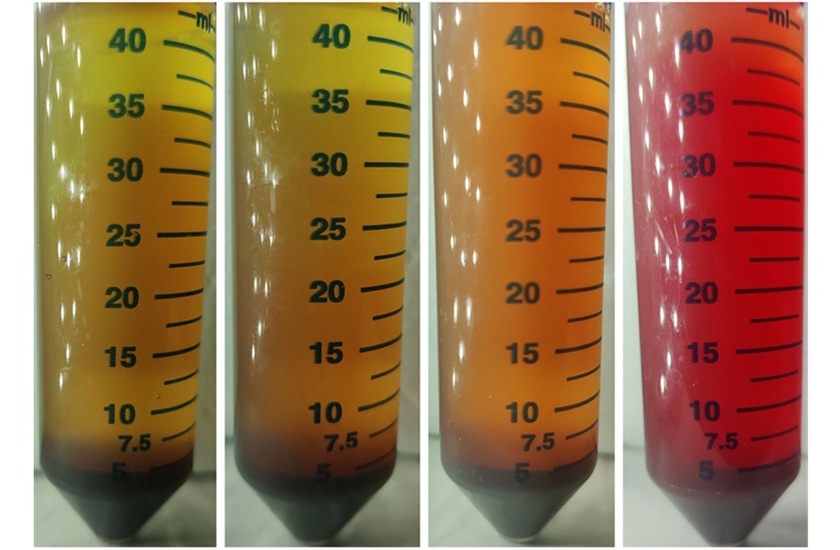
TREAM mixes whole-blood samples in a specialized “broth” that separates intact blood cells from individual bacteria during incubation. As red blood cells form rouleaux and sink, bacteria become concentrated in a plasma-like upper layer. Intermittent molecular analysis, described as barcoding, captures small fragments of genetic material from the isolated bacteria, enabling species-level identification during culture rather than only at an endpoint. In parallel, single-cell microscopic imaging is analyzed by computer algorithms that reduce visual clutter, helping identify the pathogen while providing information on antibiotic susceptibility and potential resistance.
In testing of about 100 positive bloodstream infection samples donated by patients and stored at Penn State Hershey Medical Center’s clinical microbiology laboratory, the combined workflow delivered a comprehensive diagnosis in as little as seven hours from whole blood. By integrating organism identification with antibiotic susceptibility testing, the approach is designed to help guide treatment selection within the same accelerated workflow. The researchers reported just over 4% very major errors, in which resistance or susceptibility was misclassified, highlighting an area that will require further improvement before clinical implementation, particularly for patients who have already received antibiotics.
Details of the work appear in Science Advances on August 26, 2026. The team stated they are integrating artificial intelligence (AI) and laboratory automation to enhance efficiency and accuracy, and that the framework is scalable to broaden the detectable pathogen list and could be adapted to nonbacterial infections such as fungal disease. They indicated plans to collaborate with physicians at Penn State College of Medicine to pursue further clinical studies.
“This is not like a COVID test, where we are checking to see whether a specific virus is present in a patient's system. Many different bacteria can cause sepsis, and they may respond differently to treatment. Therefore, analysis must be thorough to ensure the best treatment is prescribed,” said Pak Kin Wong, professor of biomedical engineering and mechanical engineering at Pennsylvania State University.
“We are developing a comprehensive diagnostic platform that rapidly tells physicians both the specific bacteria causing a bloodstream infection, as well as the ideal antibiotic to treat the infection, before sepsis ever sets in,” said Wong.
Related Links
Penn State