Surveillance and Susceptibility Testing Track Rising Candida Auris in U.S.
Posted on 14 Aug 2026
Drug-resistant fungal infections are straining infection control and treatment in hospitals and long-term care facilities, where rapid transmission can lead to severe outcomes. Candida auris has expanded across the United States as resistance to frontline antifungals intensifies, complicating laboratory diagnosis and therapeutic selection. Surveillance data indicate ongoing spread alongside rising concerns about environmental drivers of resistance.
UT Health San Antonio details the escalating threat in a May Nature Medicine commentary contributed to by one of its faculty, emphasizing antifungal resistance as a One Health challenge spanning human, animal and plant health. The institution’s Fungus Testing Laboratory receives fungal isolates from across the United States and Canada to monitor resistance trends and perform susceptibility testing. The laboratory is currently helping track resistance in Aspergillus fumigatus and Trichophyton indotineae and is in its third year of this work.
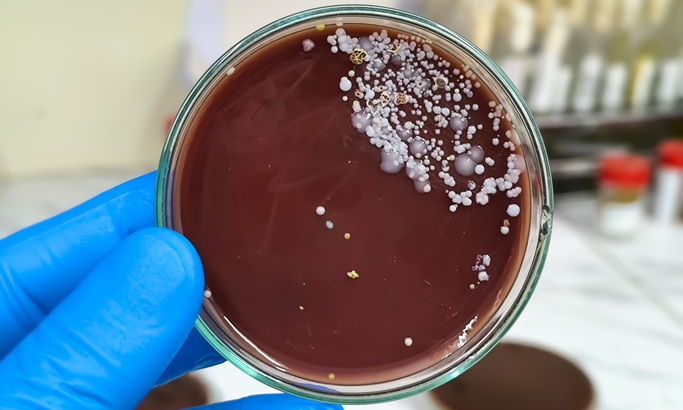
The commentary explains that resistance can develop not only from clinical exposure to antifungals but also from environmental exposure to agricultural fungicides that are chemically similar to clinical drug classes. This dynamic is evident in A. fumigatus, a mold thriving in compost and decaying organic matter, where residual fungicides are believed to have selected for resistant strains even in patients without prior azole exposure. Dermatophyte outbreaks reported in India from 2016 to 2018 involved extensive, treatment-refractory skin disease; T. indotineae has since spread internationally and is now being detected in North America. Together, these trends reflect a widening ecological pipeline for resistance.
Candida auris remains a central concern. It has spread to 27 U.S. states and, as of August 1, nationwide clinical cases reached 3,544, with Texas second to California at 437 clinical cases; Texas also led screening detections at 741, according to the Centers for Disease Control and Prevention (CDC). National clinical case numbers rose by 135 in the week of July 25 to August 1. The CDC notes that C. auris spreads readily in healthcare settings, persists on surfaces and equipment, and can cause infections ranging from superficial skin disease to sepsis, shock and organ failure. Many strains are resistant to azoles, and some are also resistant to amphotericin B.
The commentary outlines several priorities: education and awareness among clinicians, public health and agricultural stakeholders; stronger, coordinated surveillance—currently lacking at the national level in the United States; and infection prevention with antimicrobial stewardship to reduce selective pressure from both drugs and fungicides. It also highlights development hurdles for new antifungals given the eukaryotic similarity between fungi and humans and notes that only three major antifungal classes are currently available. While new therapies are in development, environmental resistance mechanisms may threaten their durability. Improved diagnostics, expanded surveillance networks and sustained research funding are identified as essential enablers. The authors describe success as improved patient outcomes and stabilization of resistance rates.
“Fungal infections are often overlooked because they are not as common as bacterial infections. But they can be much more difficult to diagnose and treat, and we're seeing increasing spread and resistance,” said Nathan Wiederhold, PharmD, director of the Fungus Testing Laboratory and professor in the Department of Pathology and Laboratory Medicine in the Joe R. and Teresa Lozano Long School of Medicine at UT San Antonio.
“Think fungi. We need to recognize that antifungal resistance is an important and growing public health issue. If we can make meaningful advances, we can improve patient outcomes and hopefully stabilize resistance rates,” added Wiederhold.
Related Links
UT Health San Antonio