Partnership Brings Automated Pathology Archiving Solutions to U.S. Labs
Posted on 03 Aug 2026
Accurate retention and retrieval of pathology blocks and slides underpin timely, reliable cancer diagnoses, yet manual archiving remains labor-intensive and error-prone for many laboratories. Rising case volumes and staffing pressures further expose risks of misfiled specimens and workflow delays. A new system has launched to automate archiving and deliver end-to-end traceability across the sample lifecycle.
Epredia has entered an agreement with Canada-based Lab Improvements to introduce two automated archiving solutions—BlockTracker and SlideTracker—to U.S. pathology laboratories. The additions are intended to provide comprehensive traceability for the life of each specimen and reduce the risk of lost or misfiled samples. The tools target pathologists and laboratory leaders in hospitals, university medical centers, reference labs, and cancer centers.
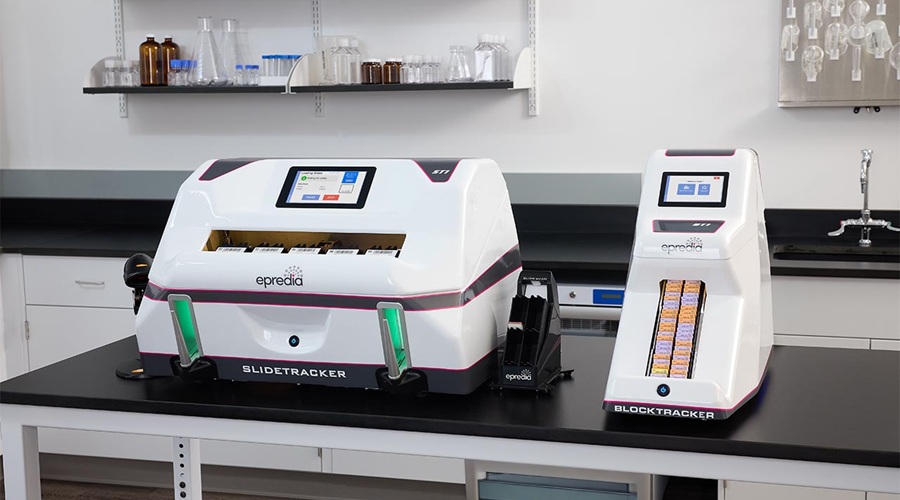
BlockTracker and SlideTracker automate the sorting, storage, and retrieval of tissue blocks and slides to replace manual filing. The platform establishes a chain of custody by creating a complete digital and physical record of specimen location and user interactions, from the histology bench through off-site storage. By alleviating repetitive handling, the systems aim to help teams reallocate staff time to higher-value tasks.
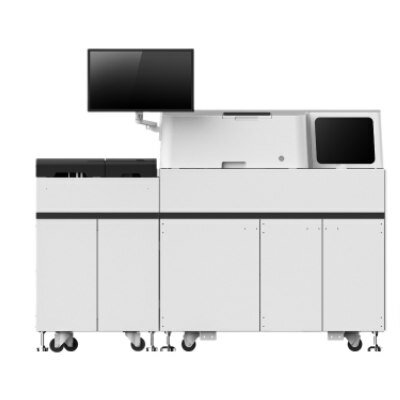
A central feature is dual physical and digital storage that organizes specimens across locations while high-density storage reduces space requirements and optimizes both local and off-site archiving. BlockTracker delivers high-throughput cassette archiving suitable for labs of any size; a single device can serve an entire hospital and archive up to 1,500 blocks per hour, including historical specimens without disrupting daily workflow. SlideTracker replaces individual slide handling by loading 200 slides in under five minutes and segmenting them automatically via barcode.
The platform is designed to fit existing practices by preserving weekly or monthly archiving routines, integrating with any laboratory information system and IT architecture, and using standard histology block and slide boxes. An intuitive centralized database provides smart analysis and reporting accessible from any workstation. Together, these capabilities support full chain-of-custody documentation and can yield meaningful savings in storage space and long-term off-site storage costs.
“In cancer diagnostics, efficiency and confidence are both critical. With intelligent automated archiving, our customers don’t have to choose between throughput and efficiency. Epredia is offering pathology labs a way to reclaim their time and peace of mind, so they can better serve patients,” said Steven Lynum, President and CEO of Epredia.