Blood Protein Panel Predicts Timing of ALS Symptom Onset
Posted on 27 Jul 2026
Amyotrophic lateral sclerosis (ALS) is a progressive neurodegenerative disease in which clinical signs often emerge only after substantial motor neuron injury has already occurred, complicating timely intervention. Identifying individuals who are approaching symptom onset has therefore been a longstanding challenge for clinicians and trialists. Blood-based indicators that pinpoint this presymptomatic window could enable more precise enrollment in prevention studies, when intervention may be most meaningful. New findings demonstrate that a defined panel of plasma proteins can forecast when ALS symptoms will appear.
The National Institutes of Health (NIH; Bethesda, MD, USA) reported that investigators in the long-running Pre-symptomatic Familial ALS (Pre-fALS) study have identified a blood-based biomarker panel that estimates the timing of phenoconversion to clinically manifest ALS. The approach leverages longitudinal plasma samples collected months to several years before symptoms arise. According to NIH, these markers could help match ideal candidates with preventive trials before irreversible motor neuron damage occurs..
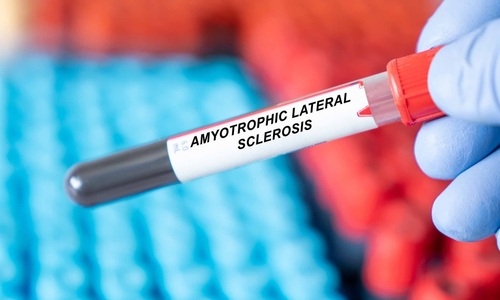
Using a high-throughput proteomic analysis method called Olink, researchers quantified more than 5,000 plasma proteins and evaluated how their levels change ahead of symptom onset. Machine-learning models tested combinations of proteins across prediction windows ranging from six months to five years. A 19-protein panel, which includes neurofilament light chain (NfL), maximized predictive accuracy and enabled estimates of onset within less than two years of the actual time.
The analysis drew on plasma samples from 137 Pre-fALS participants, 33 of whom had developed clinical manifestations of ALS or frontotemporal dementia (FTD). Ninety-two proteins differed in people before they eventually showed symptoms. Earlier Pre-fALS work in 10 participants who later became symptomatic found that NfL spiked in the months preceding phenoconversion. Similar predictive performance was observed using data from the UK Biobank, which, despite some limitations, is more representative of the general population than the genetically predisposed Pre-fALS cohort.
Findings were published in Nature Medicine on July 27, 2026. The work was supported by the National Institute of Neurological Disorders and Stroke (NINDS) and involved contributions from the University of Miami. In related efforts, ATLAS, a clinical trial conducted in partnership with Biogen, is evaluating whether initiating tofersen shortly before symptoms appear could avert or delay the onset of ALS.
“If someone carrying an ALS-associated genetic variant had asked me in the past when they would become symptomatic, I would have struggled to provide a reasonable estimate. These biomarkers give us a far better idea of the timing, allowing us to estimate the time to symptom onset with an average error of about 18 months. That’s something we can work with,” said Michael Benatar, M.D., Ph.D., professor of neurology and public health sciences at the University of Miami.
“With preventative gene-targeting treatments now becoming available, there is a particularly urgent need for reliable biofluid-based signatures that indicate near-term onset in individuals that carry ALS risk genes,” said Amy Bany Adams, Ph.D., acting director of NIH’s National Institute of Neurological Disorders and Stroke (NINDS).
Related Links
NINDS
University of Miami Miller School of Medicine