PD-L1 Assay Guides Pembrolizumab Eligibility in Ovarian, Fallopian Tube, and Peritoneal Cancers
Posted on 27 Jul 2026
Agilent Technologies’ PD-L1 IHC 22C3 pharmDx (Code SK006) has received European Union certification as a companion diagnostic to aid in identifying patients with epithelial ovarian, fallopian tube, or primary peritoneal carcinoma whose tumors express PD-L1 and who may be eligible for treatment with KEYTRUDA (pembrolizumab), Merck’s anti‑PD‑1 therapy. The certification expands access to PD‑L1 testing that supports informed treatment decisions in a disease area where options remain limited. This marks the eighth CE‑marked companion diagnostic indication currently available for PD‑L1 IHC 22C3 pharmDx (Code SK006) in the EU.
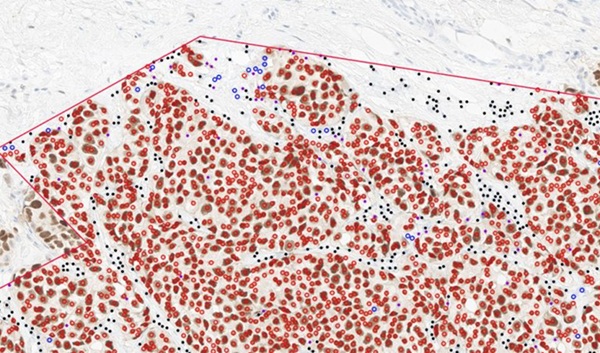
The assay enables pathologists to assess PD‑L1 expression in tumor tissue to determine patient eligibility for pembrolizumab in accordance with the approved product labeling. By standardizing PD‑L1 immunohistochemistry readouts specific to this setting, laboratories can integrate the assay into routine workflows that inform therapy selection. The indication is designed to align results interpretation with clinical decision points associated with KEYTRUDA use.
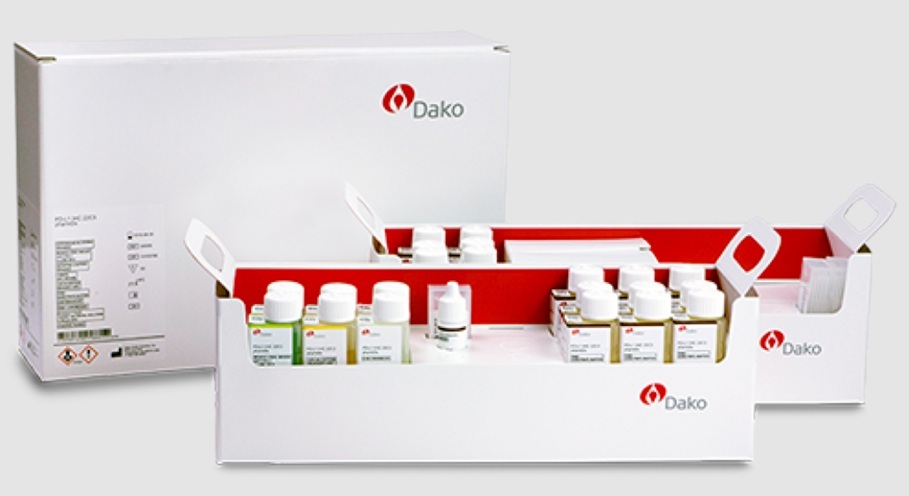
PD‑L1 expression in epithelial ovarian, fallopian tube, or primary peritoneal carcinoma was evaluated using PD‑L1 IHC 22C3 pharmDx (Code SK006) in the KEYNOTE‑B96/ENGOT‑ov65 clinical trial, supporting its use as an aid in identifying patients who may be eligible for pembrolizumab in the platinum‑resistant setting. Beyond the new indication, the assay is also indicated in the EU to help physicians identify patients with non‑small cell lung cancer, esophageal cancer, cervical cancer, head and neck squamous cell carcinoma, triple‑negative breast cancer, gastric or gastroesophageal junction adenocarcinoma, and urothelial carcinoma who may be eligible for treatment with KEYTRUDA, in accordance with approved labeling.
“Expanding access to precision oncology across regions is essential to improving patient outcomes,” said Majken Nielsen, vice president and general manager of Agilent’s Clinical Diagnostics Division. “This EU approval builds on our commitment to deliver high-quality companion diagnostics and enables laboratories to support more informed treatment decisions for patients with epithelial ovarian, fallopian tube, or primary peritoneal carcinoma.