Blood Hormone Pattern Distinguishes Endometriosis with High Accuracy
Posted on 10 Jul 2026
Endometriosis occurs when tissue similar to the uterine lining grows outside the womb, triggering inflammation, pain, and scarring. Diagnosis often relies on surgery and, in the UK, takes an average of nine years, delaying access to care. A noninvasive diagnostic that can reliably distinguish the condition earlier remains a significant need. New findings demonstrate that a blood-based hormone pattern may accurately differentiate individuals with endometriosis.
University of Edinburgh researchers identified a distinct blood “hormone fingerprint” centered on differences in androgens, including a previously overlooked set of 11-oxygenated androgens produced by the adrenal glands. The approach quantifies circulating androgens to reveal a signature that separates people with endometriosis from those without the condition. A key feature of the signature is elevated 11-ketotestosterone levels.

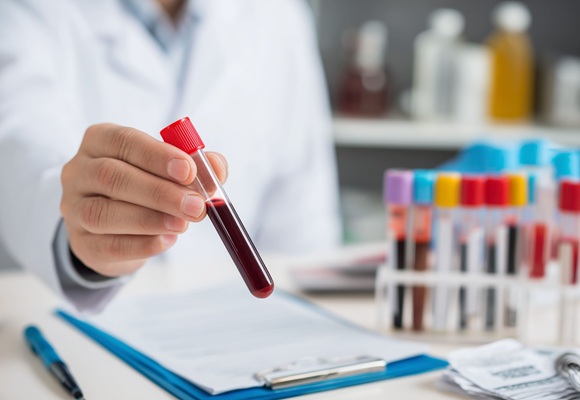
In a cohort analysis, investigators measured hormone levels in blood from 159 women with surgically confirmed endometriosis and 57 women without the condition. Focusing on androgens, particularly the 11-oxygenated subgroup, the team found a reproducible pattern that distinguished the two groups. The researchers caution that larger and more diverse studies are needed to validate these findings.
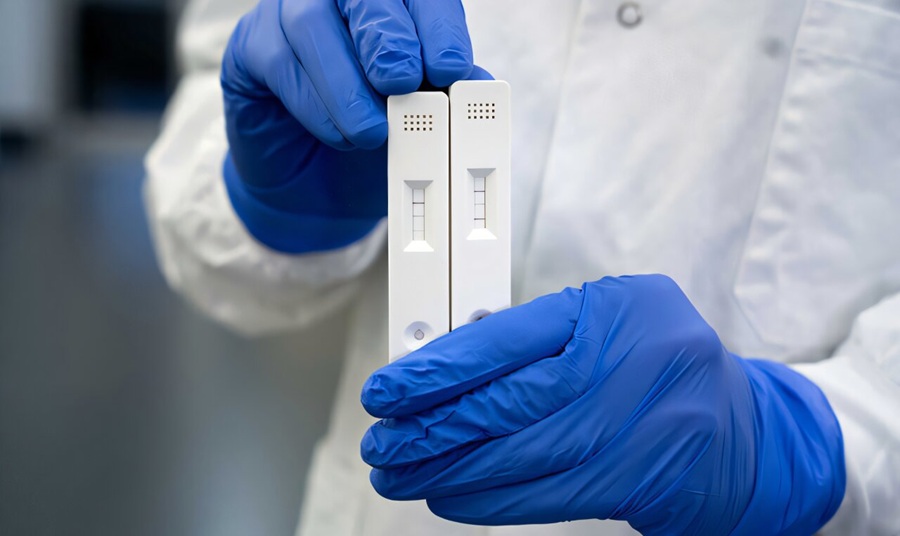
The distinct hormone signature correctly identified more than 95% of endometriosis patients in the study, indicating potential utility for a simple, noninvasive diagnostic pathway. The work is published in the European Journal of Endocrinology and involved collaborators from the Universities of Liverpool, Glasgow, and Birmingham. Working with Edinburgh Innovations, the team is seeking industry partners to develop a diagnostic blood test based on these results, and the study also highlights androgens as a potential route to future therapeutic targets.
“These findings mark a significant breakthrough in our understanding of endometriosis. Traditionally seen as an oestrogen-driven disorder, our research challenges this view by showing different androgen levels in the condition. We are optimistic that this new insight will lead to earlier diagnosis and the development of innovative new treatments for those affected by endometriosis,” said Dr Douglas Gibson, principal investigator, University of Edinburgh’s Centre for Reproductive Health.
“This important study tackles an area of unmet clinical need and has the potential to inform diagnosis and treatment of endometriosis, which affects millions of women worldwide. It highlights the important role discovery science plays in improving lives, in this case offering an exciting new pathway to accelerating diagnosis,” said Jill Jones, Associate Director of Global Health, Population and Systems Medicine at the Medical Research Council.
Related LinksUniversity of Edinburgh