Genetic Marker Supports Anti-TNF Therapy Selection in Crohn’s Disease
Posted on 26 Jun 2026
Crohn’s disease, a major form of inflammatory bowel disease, is increasing across age groups and regions. Responses to current therapies vary widely, with only about half of patients benefiting, underscoring the need for biologically informed treatment selection. Clinicians also lack reliable tools to predict response to tumor necrosis factor inhibitors. New findings identify a previously unknown genetic driver and a targetable immune pathway that could improve patient stratification.
The Hospital for Sick Children (SickKids; Toronto, Canada) led work identifying rare variants in the BIRC3 gene as a genetic cause of Crohn’s disease and mapping a druggable inflammatory cascade. Using a multi-omics strategy that integrated genetics, RNA sequencing, and proteomics, the team traced how these variants perturb intestinal immunity. The study links the discovery to a defined pathway that could support more precise therapy matching.
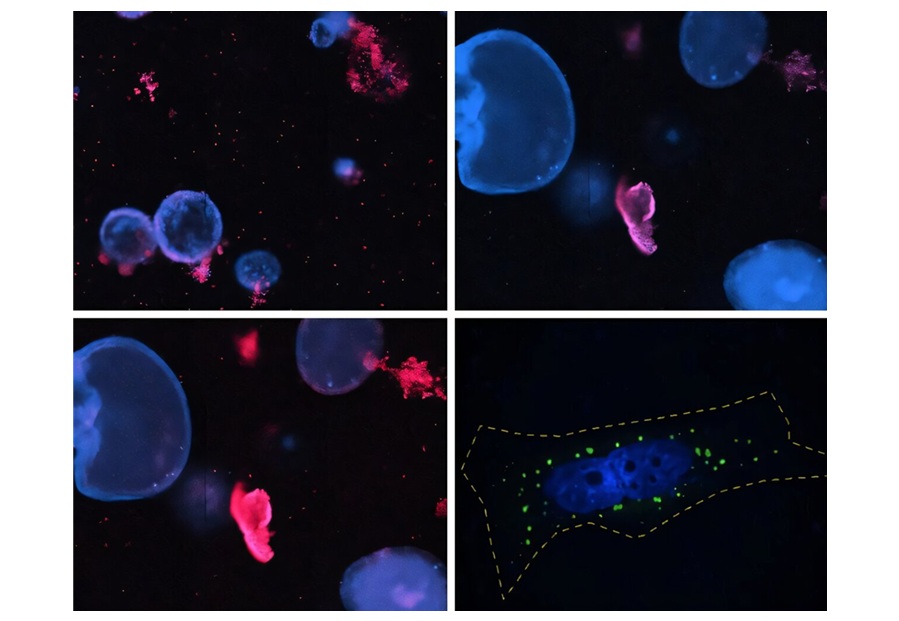
BIRC3 encodes a protein connected to tumor necrosis factor (TNF) signaling. Investigators showed that pathogenic BIRC3 variants dysregulate receptor-interacting protein kinase 1 (RIPK1) signaling, leading to increased epithelial cell death and heightened gut vulnerability. At the cellular level, the variants were demonstrated to drive Crohn’s disease biology, aligning the genetic finding with a concrete mechanistic target.
The project began in 2019 and expanded into an international collaboration spanning Canada, China, the U.S., Germany, Japan, France, Saudi Arabia, and Spain. Across 10 families, 14 individuals with Crohn’s disease were found to carry BIRC3 variants, an unexpectedly high yield for a rare monogenic cause. Mouse and zebrafish models corroborated the human data and clarified how BIRC3 loss of function disrupts RIPK1-dependent TNF signaling in the gut.
Results indicated that BIRC3 variants were causal in all 14 patients studied. Evidence from the program also suggests that the same RIPK1 pathway may contribute to more common, non-monogenic forms of Crohn’s disease, supporting its relevance as a therapeutic target and as a potential guide to predict response to anti‑TNF therapy. The work was published in Gastroenterology on June 23, 2026. Institutions named in the collaboration include The Hospital for Sick Children (SickKids) and Saitama Children’s Medical Center in Japan. A drug designed to inhibit RIPK1 is currently being tested in clinical trials, according to the team.
“We’ve brought together genetics, RNA sequencing, proteomics and more to try for the first time to map the complete disease pathway, and it’s turned into a remarkable precision medicine story,” said Aleixo Muise, senior scientist in the Cell & Systems Biology program, staff gastroenterologist and co‑director of the Inflammatory Bowel Disease Centre at SickKids.
“Until now, research on monogenic IBD has mainly focused on very early-onset IBD, generally in children younger than 6. Yet our study suggests that some adult-onset patients, or those with a family history of IBD, may also carry genetic changes that are influencing their disease. This means that monogenic IBD could be far more widespread than we previously thought,” said Ryusuke Nambu, director of the Pediatric IBD Center at Japan’s Saitama Children’s Medical Center.
Related Links
SickKids