Plasma Vitamin C Levels Associated with Brain Structure and Connectivity in Aging
Posted on 12 Jun 2026
Previous studies have linked vitamin C–rich diets with lower risk of cognitive impairment in older adults. However, few investigations have directly examined blood plasma vitamin C in relation to brain structure or connectivity within large-scale networks. Clarifying such relationships may inform understanding of cognitive function in aging. A new study now shows that plasma vitamin C levels are associated with gray matter volume and default mode network connectivity in older adults.
Hirosaki University (Hirosaki, Japan) researchers analyzed magnetic resonance imaging (MRI) scans and blood plasma vitamin C levels from a community cohort of older Japanese adults. The analysis focused on gray and white matter volume and structural connectivity within the default mode network (DMN), a set of regions linked to attention and autobiographical memory. Investigators adjusted for age, physical activity, education, and other factors that can affect brain structure or connectivity. The work identifies statistical associations between plasma vitamin C and MRI-derived neuroanatomical features.
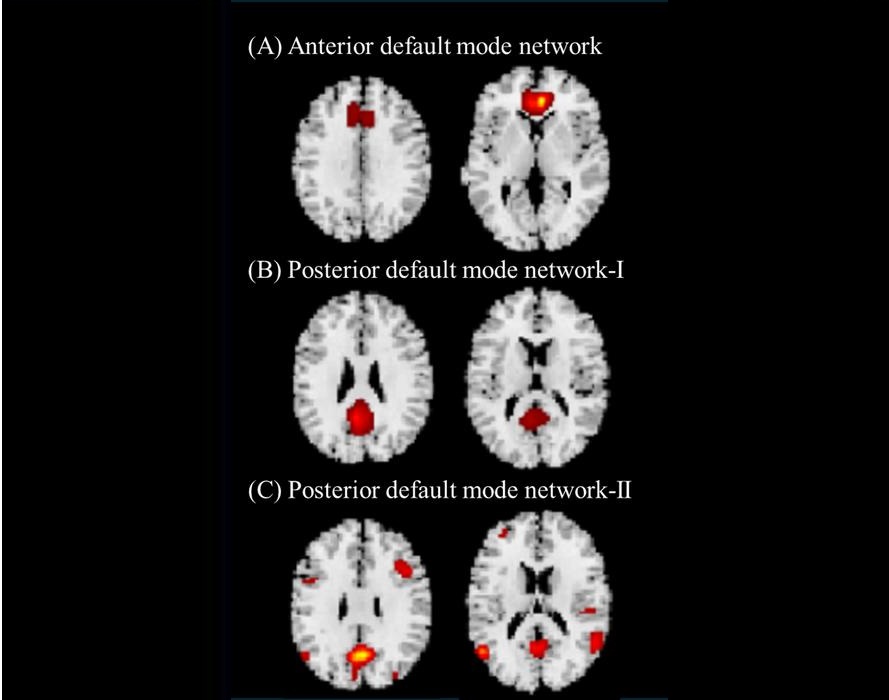
The observational analysis included 2,044 participants over the age of 64. For each participant, the team quantified gray and white matter volumes while accounting for individual differences in total brain volume. They also evaluated connectivity within the DMN. After statistical adjustment for potential confounders, lower plasma vitamin C levels were linked to lower gray matter volume and reduced DMN connectivity.
The findings were published in PLOS One on June 10, 2026. The authors note that the associations do not establish causation and that further work is required to elucidate underlying biological mechanisms. Suggested next steps include repeated plasma vitamin C measurements over time, broader accounting for lifestyle and nutritional variables, and inclusion of participants from additional ethnic and socioeconomic backgrounds. The results suggest the possibility that optimal plasma vitamin C could potentially support cognitive function in aging, while underscoring the need for prospective research.
“Our study demonstrates that higher plasma vitamin C levels are associated with better preserved structural connectivity of the default mode network (DMN), a key brain network involved in cognitive function. This finding generates the exciting hypothesis that a diet rich in vitamin C might play a supportive role in maintaining brain health and mitigating age-related cognitive decline in older adults,” said Tomohiro Shintaku, Department of Radiology, Graduate School of Medicine, Hirosaki University.
Related Links
Hirosaki University