Blood Protein Markers Flag Multiple Sclerosis Risk Years Before Diagnosis
Posted on 01 Jun 2026
Multiple sclerosis (MS) can inflict neurologic damage that is difficult or impossible to repair, and many patients are diagnosed only after disease progression. Identifying at-risk individuals earlier could allow intervention before substantial harm occurs. Yet clinicians lack practical tools to pinpoint who will develop MS years in advance. A new study shows that specific blood proteins are altered long before diagnosis, pointing to a potential approach for pre-symptomatic risk assessment.
McGill University’s The Neuro (Montreal Neurological Institute-Hospital) identified a group of plasma proteins whose levels differ in people who later develop MS, in some cases more than a decade before diagnosis. The team first screened more than 2,500 blood proteins using a statistical technique known as Mendelian randomization (MR) to determine links to MS risk. They then examined pre-diagnostic samples in the UK Biobank, a population resource that collected blood from about 500,000 volunteers between 2006 and 2010 and has followed their health since.
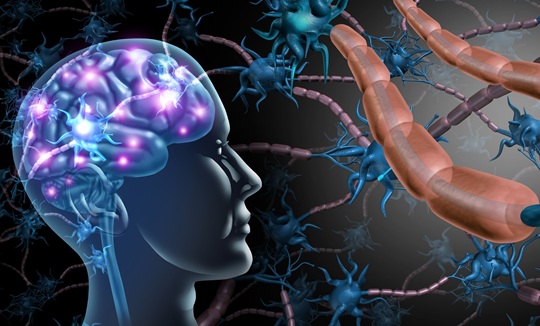
Across the MR screen, 39 proteins were associated with MS risk, many within immune-cell signaling pathways. In the UK Biobank analysis, 124 individuals who eventually developed MS had blood drawn on average six years before diagnosis, enabling a true pre-diagnostic assessment. Eight proteins were already altered in those future cases, indicating that measurable proteomic changes precede clinical presentation.
One protein, DKKL1, was linked to a lower risk of developing MS and to a milder disease course among those who did, highlighting a candidate marker for both risk stratification and prognosis. The findings were published in Annals of Neurology (May 22, 2026). According to the investigators, next steps include validating the results in larger cohorts and evaluating whether these markers, alone or combined with other tools, could underpin practical screening strategies.
“In MS, we now know that intervening early can delay or even prevent symptoms altogether. What we lack is a way to identify the right people in time. These blood markers point toward a way to do that, and to act before damage is done,” said Dr. Adil Harroud, neurologist and researcher at The Neuro (Montreal Neurological Institute-Hospital) of McGill University.
Related Links
The Neuro - McGill University