Lung Cancer Study Reveals Cellular Program Behind Therapy Resistance
Posted on 28 May 2026
Therapy resistance and variable response remain major obstacles in lung cancer care, limiting durable benefit from chemotherapy and immunotherapy. Understanding why some tumors evade treatment is essential for patient stratification and monitoring. Clarifying the cellular programs that underlie progression could inform new diagnostic readouts. A new study shows that lung cancer cells can reactivate an early developmental program to change identity, become more aggressive, and resist treatment.
University of Southampton researchers describe this phenomenon in Molecular Oncology on May 27, 2026, in a paper titled “Developmental programmes drive cellular plasticity, disease progression and therapy resistance in lung adenocarcinoma.” The work identifies a switch from an alveoli-forming state to a branching state, indicating reactivation of a program normally used during early lung formation. According to the team, this cellular plasticity is a key driver of disease progression and reduced responsiveness to current therapies.
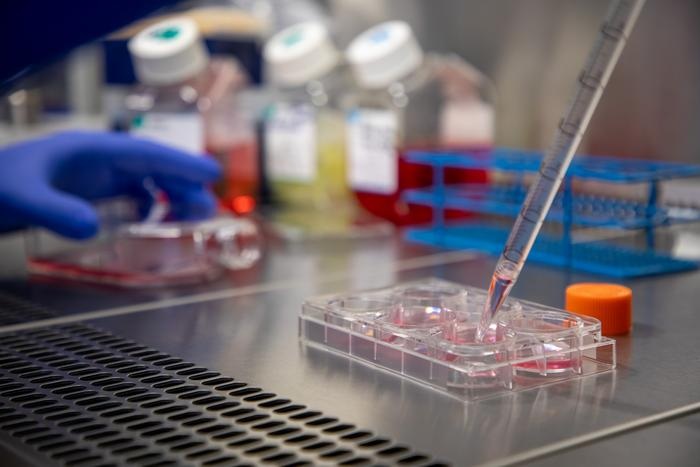
The investigators analyzed large datasets from previous cancer study cohorts encompassing samples from more than 1,500 patients. By combining multiple measurement techniques across scales—from single cells to whole tumor specimens—they assembled a composite view of features associated with progression and therapy resistance. Laboratory experiments conducted at Southampton’s School of Cancer Sciences helped pinpoint underlying molecular regulators of the state transition.
Findings highlight the loss of the cancer-protective gene TP53 together with activation of interferon signaling as a mechanistic combination that drives the shift from alveoli-forming to branching programs. The authors state that quantifying genes linked to branching in patient samples enabled prediction of treatment responses in their analyses. They also note that the results provide a foundation for research aimed at preventing the identity switch in aggressive lung cancer.
“While TP53 is known as the ‘guardian of the genome’, its role in controlling how cells transition between different states is something that remains poorly understood. This new understanding of what is making tumours more aggressive will provide the foundation for further research into targeting these functions, which could lead to new therapies for patients that don’t respond well to current treatments,” said Dr Chris Hanley, Associate Professor in Cancer Science at the University of Southampton.
Related Links
University of Southampton