Multi-Omics Profiling Helps Predict BCG Response and Recurrence in Bladder Cancer
Posted on 20 May 2026
High-risk non–muscle-invasive bladder cancer frequently recurs after therapy, with about 30% of patients relapsing and roughly 10% dying within two years despite tumor resection, surveillance, and Bacillus Calmette-Guérin (BCG) immunotherapy. The problem has been compounded by a global BCG shortage that has forced delays or modifications in care. Clinicians need better tools to identify which tumors will benefit from BCG. A new study shows how integrated tumor profiling and machine learning could help stratify risk and guide treatment.
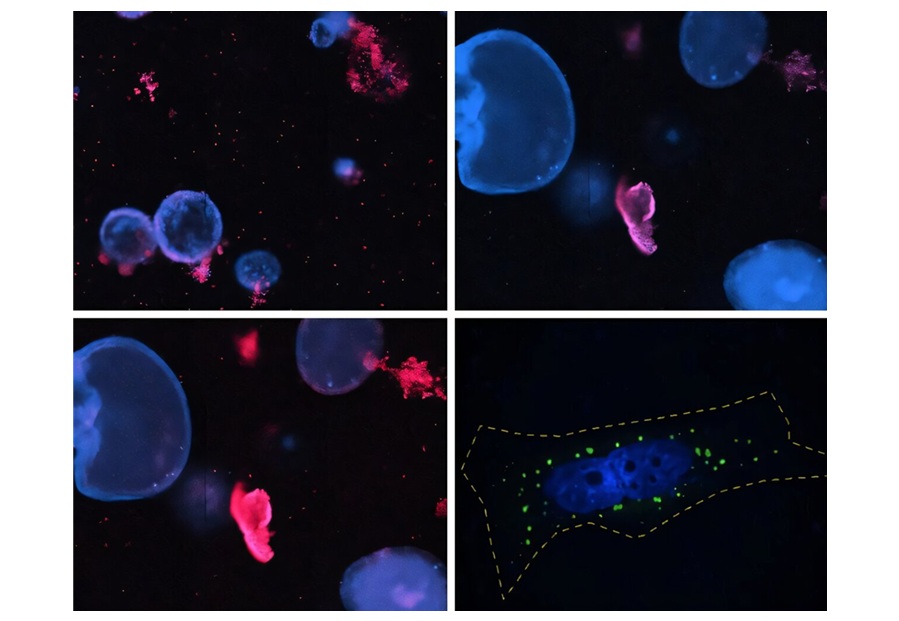
Northwestern University (Evanston, IL, USA) investigators developed a multi-omics framework to interrogate tumor samples from patients with high-risk bladder cancer. The approach combined transcriptomic profiling, targeted genomic sequencing, single-cell RNA sequencing, and spatial transcriptomics to characterize tumor-intrinsic programs and the surrounding immune microenvironment. The analyses revealed that these tumors are not biologically uniform and instead separate into four molecular subtypes defined by distinct gene-expression patterns and immune activity.
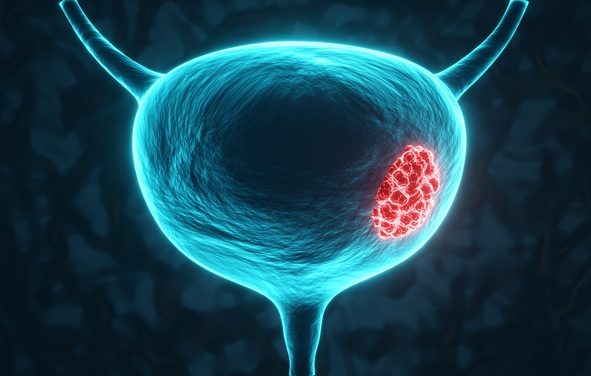
One subtype showed the strongest response to BCG immunotherapy, suggesting that tumors with preexisting immune activity may be primed for benefit. The team also built a machine-learning model that integrates genomic and transcriptomic features to predict recurrence risk. According to the findings, the model performed strongly, indicating potential utility for identifying patients most likely to respond to BCG and those who may need alternative or intensified treatment strategies.
The study appears in European Urology. The authors note that larger, multi-center studies will be required to confirm the four subtypes and validate the predictive model before routine clinical use. They add that matching therapy to tumor biology could improve outcomes for a disease with persistently high recurrence rates.
"The microbiome within the bladder kind of sets up its baseline level of inflammation, but there's mounting evidence that there's a correlation there with response. If you have a microenvironment that's more inflamed, it's likely to have a better response to an immunotherapy," said Joshua Meeks, MD, Ph.D., the Edward M. Schaeffer, MD, Ph.D. Professor of Urology at Northwestern University.
"Now we want to go back to the bedside with prospective clinical trials and see if we can alter that tumor microenvironment to get a better response," said Dr. Meeks.
Related Links
Northwestern University