FDA-Approved MRD Blood Test Guides Adjuvant Bladder Cancer Therapy
Posted on 18 May 2026
Muscle-invasive bladder cancer (MIBC) carries a substantial risk of recurrence after radical cystectomy, and selecting which patients require adjuvant therapy remains challenging. Approximately 30,000 people in the U.S. and 150,000 globally are diagnosed with MIBC each year, underscoring the need for tools that can identify residual disease while sparing others unnecessary treatment. A newly approved companion diagnostic now uses circulating tumor DNA to guide adjuvant immunotherapy decisions in this setting.
Natera’s (Austin, TX, USA) Signatera CDx has been approved by the U.S. Food and Drug Administration (FDA) as a companion diagnostic for use with adjuvant atezolizumab (Tecentriq) in MIBC. The authorization marks the first companion diagnostic approval in blood-based molecular residual disease (MRD) and the first FDA-approved use of personalized MRD testing to guide treatment decisions. The test is indicated to identify patients with MIBC who are circulating tumor DNA (ctDNA) MRD-positive and may benefit from adjuvant immunotherapy.

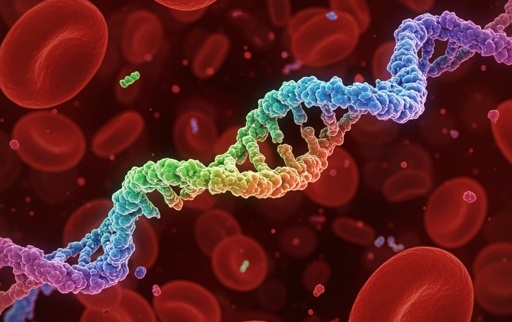
As a personalized MRD assay, Signatera CDx evaluates ctDNA to determine the presence of residual tumor-derived genetic material following definitive therapy. In the postoperative setting, an MRD-positive result can help direct the use of adjuvant atezolizumab, while an MRD-negative result may support deferring additional treatment. The approach is intended to enable precision interventions for MRD-positive patients and reduce potentially unnecessary therapy for those who remain MRD-negative.
Clinical validation is supported by the global Phase III IMvigor011 trial, sponsored by Genentech and published in The New England Journal of Medicine in October 2025. In IMvigor011, Signatera MRD-positive patients treated with immunotherapy achieved significant improvements in disease-free survival and overall survival. Conversely, Signatera MRD-negative patients achieved a 97% two-year overall survival rate without any adjuvant therapy. Together with these data, there is now prospective evidence showing that MRD can guide care for patients in this setting.
Bladder cancer management after cystectomy has historically achieved long-term disease control in about half of patients, yet accurately identifying those likely to recur has been difficult. The newly approved companion diagnostic provides a blood-based method to stratify risk and inform adjuvant decision-making in MIBC.
“The practice-changing IMvigor011 trial and this approval signal a transformation in cancer care, where MRD is guiding when to treat, whom to treat, and how to treat more precisely,” said Professor Thomas Powles, lead principal investigator of IMvigor011 and Chair of Barts Cancer Centre at St. Bartholomew’s Hospital. “Historically, we relied on imaging to tell us when cancer had returned, but that also meant millions of cancer cells were already present in the body. As we saw with IMvigor011 and in several other trials, Signatera detected tumor DNA at an earlier timepoint and provided us with a significant head start to improve outcomes for patients.”
“For bladder cancer patients and families, the period after bladder removal can be filled with uncertainty,” said Meri-Margaret Deoudes, CEO of the Bladder Cancer Advocacy Network. “Approaches like Signatera can help clarify which patients are more likely to experience recurrence, giving clinicians additional important information as they consider next steps. Our priority is ensuring that patients and families have access to tools that support informed decision-making, reduce unnecessary treatment when possible, and help guide timely care when it’s needed.”
Related Links
Natera
Genentech