Patented Isothermal Amplification Chemistry Advances Decentralized Testing
Posted on 12 May 2026
Molecular diagnostics offer high sensitivity for pathogen detection but typically rely on thermal cycling and specialized instruments, limiting their use outside centralized laboratories. As testing moves closer to the point of care, decentralized workflows require chemistries that can perform reliably with minimal equipment while preserving analytical accuracy. Addressing this need, a new isothermal amplification chemistry enables single-reaction, equipment-free nucleic acid amplification for decentralized testing.
Seek Labs (Salt Lake City, UT, USA) has received a U.S. patent covering Asymmetric Semi-Nested Isothermal Nucleotide Amplification (ANINA), a key assay-design element within its nucleic acid amplification chemistry known as Seek Amplification. The patent protects an amplification approach designed to reduce the temperature and instrumentation requirements associated with polymerase chain reaction (PCR) and conventional isothermal methods. The company indicates that the chemistry is intended to support sensitive molecular detection without thermal cycling or centralized laboratory infrastructure.
The patented method introduces an asymmetric, semi‑nested primer architecture in which two primers target regions upstream of the sequence of interest on one strand, while a third primer targets the complementary strand. In combination with a defined primer ratio, this configuration enables a single‑reaction process that preferentially generates single‑stranded amplicons containing the target sequence. The resulting amplicons are designed for straightforward coupling to reporter‑based detection formats, including fluorescent and electrochemical readouts. By eliminating equipment requirements, ANINA enables detection‑ready amplification under true point‑of‑care conditions.
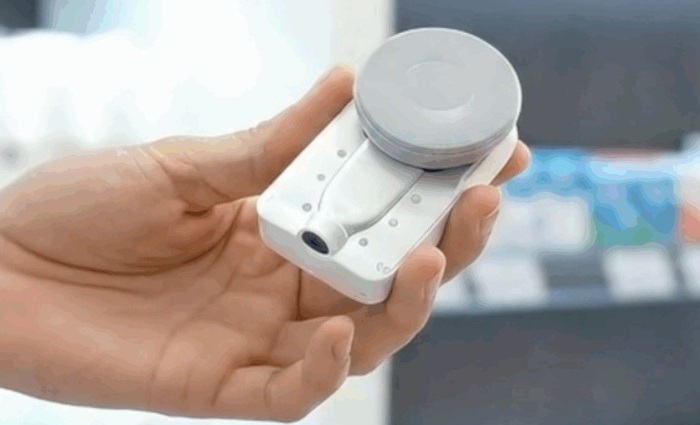
The chemistry serves as the amplification engine within the company’s SeekIt platform, which integrates nucleic acid extraction, amplification, and detection in a portable system. SeekIt supports flexible assay design across infectious disease targets and can be configured for instrument‑assisted or instrument‑free operation to accommodate varied testing environments. The company notes that the patent establishes foundational intellectual property for its amplification platform as it advances applications in respiratory and other infectious disease diagnostics.
“This patent underscores our approach to bringing high-performance molecular detection closer to the point of care,” said Jared Bauer, CEO of Seek Labs. “Instead of adapting legacy amplification methods, we have re-engineered the chemistry itself. By eliminating the need for equipment and simplifying the amplification workflow, Seek Amplification can create a path for molecular testing to move beyond centralized labs and into the places where real-world decisions are made.”
Related Links
Seek Labs