New Platform Captures Extracellular Vesicles for Early Cancer Detection
Posted on 05 May 2026
Early diagnosis remains the most effective way to reduce cancer mortality, yet many screening tools miss disease at its earliest stages. Biomarkers shed by tumors into blood and other fluids can be scarce and short-lived, limiting the reliability of simple tests. Detecting robust signals that appear before symptoms is a persistent challenge for laboratories.
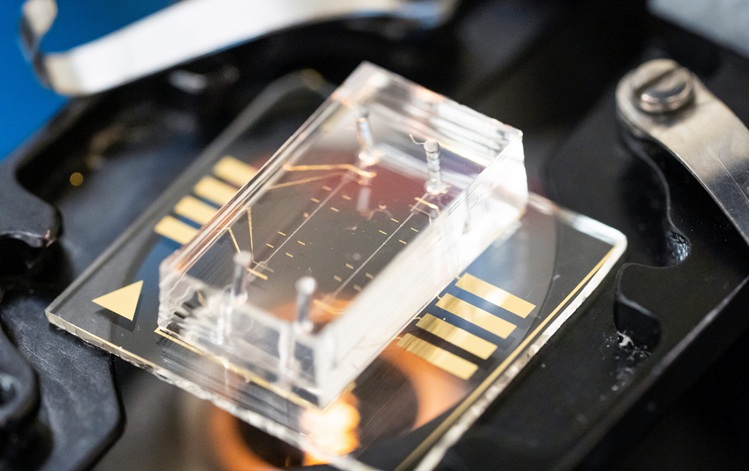
At the University of Calgary’s Schulich School of Engineering, investigators have developed EXOSense, a platform designed to isolate small extracellular vesicles directly from blood and other bodily fluids. These vesicles are released by cells and can carry disease-related information both internally and on their surface. The effort targets the creation of simple liquid biopsy tests that fit within routine laboratory workflows.
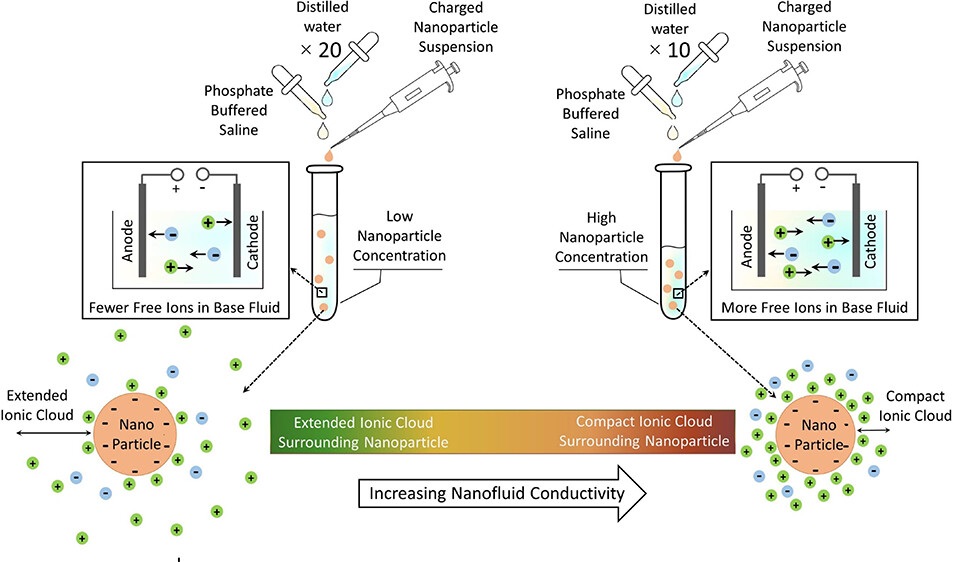
EXOSense leverages the vesicles’ natural electrical properties to capture them without adding external labels such as antibodies, preserving their native state for analysis. The technology gently collects vesicles using electrical force so their information is maintained, addressing a long-standing challenge of isolating extremely small particles that are mixed within complex fluids. By maintaining label-free conditions, the approach is intended to keep biological signals intact and make subsequent analyses more accurate.
Recent work by the team published in ACS Omega indicates that the electrical signals of these particles could provide a fast, label-free route to diagnostic readouts. The platform is patent pending and remains under development, with testing on patient samples still required. Development focuses on microfluidic miniaturization to create user-friendly, cost-effective formats that can broaden access, including in underserved settings. Over time, the group anticipates a test capable of early cancer detection from a small volume of biofluid, with the goal of helping to reduce the overall burden of cancer.
Related Links
University of Calgary Schulich School of Engineering