Microneedle Sensor Enables Continuous Monitoring of Drug Clearance
Posted on 23 Apr 2026
Early identification of kidney and liver dysfunction is essential when dosing nephrotoxic or hepatotoxic drugs, yet clinicians often rely on intermittent blood tests that can miss evolving injury. Delays in recognizing declining organ function increase the risk of adverse events and limit opportunities to adjust treatment. Continuous molecular monitoring could close these gaps by revealing drug handling in real time. To help address this challenge, researchers have now developed a minimally invasive microneedle platform that tracks drug clearance at the skin level.
Developed by a UCLA-led team at the California NanoSystems Institute and the UCLA Samueli School of Engineering, the platform enables continuous subdermal measurement of target molecules. In preclinical testing, it monitored drug levels over time and inferred renal and hepatic function from clearance patterns. The approach is designed to personalize dosing and support earlier intervention when organ performance begins to decline.
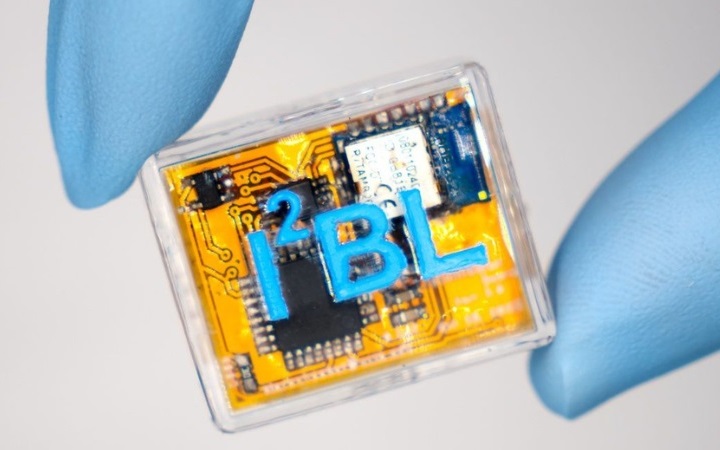
The sensor functions by carrying recognition molecules on a microneedle surface that transduces binding events into electrical signals. A strongly adhered gold coating engineered with nanoscale cavities protects the sensing chemistry from abrasion and biofouling while greatly increasing the active area. Many sensing molecules settle inside these cavities, which improves durability and signal quality. High sensitivity allowed a single microneedle to monitor one target, and the platform supported both DNA- and engineered antibody–based chemistries, enabling a path to multiplexed patches.
In rat studies, the sensors operated continuously for six days. The team tracked a chemotherapy agent processed by the liver and an antibiotic cleared by the kidneys. Animals with liver injury showed delayed clearance of the chemotherapy drug, and animals with kidney damage showed delayed clearance of the antibiotic. During the first week of kidney injury, microneedle measurements already indicated impaired clearance while blood creatinine remained below injury thresholds. In a separate experiment spanning two weeks of worsening kidney dysfunction followed by two weeks of recovery therapy, the sensor data captured decline and subsequent improvement in clearance.
Findings were published in Science Translational Medicine on April 1, 2026. The work involved researchers from UCLA, the Massachusetts Institute of Technology, Northwestern University, Duke University, and Stanford University. The team designed a scalable fabrication process, with batch-produced microneedles currently costing about $1.50 apiece, and aims to move toward human studies.
“We want to determine whether this kind of monitoring can help prevent damage from antibiotics and chemotherapies,” said Sam Emaminejad, an associate professor of electrical and computer engineering at the UCLA Samueli School of Engineering and a member of the California NanoSystems Institute at UCLA. “There is a real opportunity to better protect patients from the side effects of powerful therapies by recognizing trouble earlier and adjusting treatment sooner. More broadly, this approach could expand continuous molecular monitoring to many other targets, with the potential to guide care and reveal health problems earlier.”
Related Links
California NanoSystems Institute
UCLA Samueli School of Engineering




.jpg)