Prognostic Biomarker Identified in Diffuse Large B-Cell Lymphoma
Posted on 22 Apr 2026
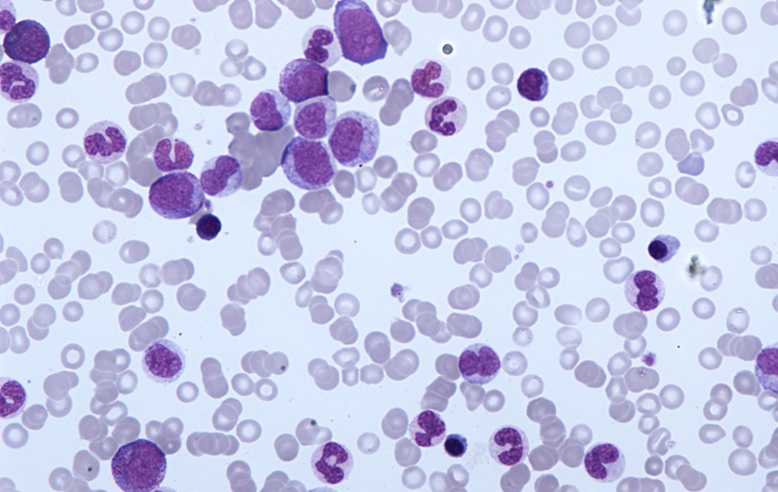
Diffuse large B-cell lymphoma (DLBCL) is the most common form of non-Hodgkin lymphoma and often presents with aggressive clinical behavior. Although many patients respond to standard chemotherapy with R-CHOP, outcomes vary and risk stratification at diagnosis remains challenging. There is a need for new markers that better reflect tumor biology and inform treatment decisions in routine hematopathology. A new study now shows that loss of a single regulatory protein may both drive disease and serve as a measurable prognostic indicator.
Josep Carreras Leukaemia Research Institute (IJC; Barcelona, Spain) investigators identified histone deacetylase 7 (HDAC7) as a biological “off switch” in DLBCL, detailing their findings in The Journal of Immunology. The work positions underexpression of HDAC7 as a candidate prognostic biomarker and indicates that restoring its expression suppresses malignant growth in experimental models. The study also emphasizes HDAC7’s essential role in building a healthy immune system.
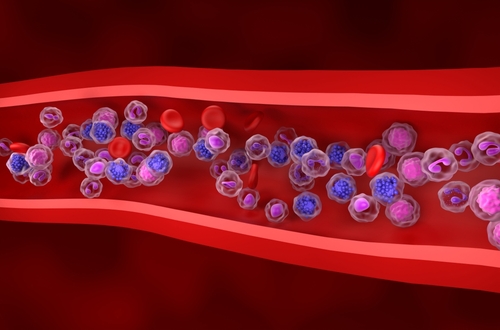
The research explains that HDAC7 governs the germinal center reaction, where B cells proliferate and mature to generate effective antibody responses. In mouse experiments, removing HDAC7 from B cells prevented proper maturation, leaving cells stalled in an immature state and unable to produce the right antibodies. These results support HDAC7 as a master controller of B‑cell training within lymph node germinal centers.
Analyses of human disease connected these mechanisms to clinical behavior. When tumor samples from patients were examined, many showed reduced HDAC7 levels. Survival data from 292 individuals with DLBCL indicated that low tumor expression of HDAC7 was associated with significantly worse prognosis than tumors with more normal levels. Collectively, the observations are consistent with HDAC7 acting as a natural brake on disease progression.
Functional restoration studies further underscored this role. When HDAC7 expression was reintroduced in DLBCL cells, proliferation halted, cancer cells underwent cell death, and tumors shrank markedly when the protein was switched back on. The authors describe HDAC7 as a natural tumor suppressor that helps keep B‑cell proliferation in check.
The findings outline practical implications. Measuring HDAC7 levels in diagnostic specimens could serve as a biomarker to help predict disease behavior and tailor treatment, and reactivating HDAC7 is presented as a potential therapeutic strategy. The authors note that further confirmatory studies are required. DLBCL accounts for roughly 40% of non-Hodgkin lymphoma diagnoses worldwide, and a substantial proportion of patients do not respond to R‑CHOP, highlighting the need for better prognostic tools and new therapeutic approaches.
The study, “HDAC7 is a key factor for the germinal center reaction and its underexpression is associated with DLBCL prognosis,” appears in The Journal of Immunology.
“This work identifies HDAC7 as both a guardian of normal immune cell development and a potential suppressor of lymphoma. We believe it can help us classify patients more precisely and, in the longer term, design new therapeutic strategies specifically tailored to those who need them most,” said Dr. Maribel Parra, Principal Investigator, Lymphocyte Development and Disease Group, Josep Carreras Leukaemia Research Institute.
Related Links
Josep Carreras Leukaemia Research Institute



.jpg)