Rapid Blood-Culture Susceptibility Panel Expands Coverage for Gram-Negative Infections
Posted on 21 Apr 2026
Gram-negative bloodstream infections and sepsis demand fast, precise antimicrobial therapy, yet conventional susceptibility workflows can delay targeted treatment. Clinical laboratories need platforms that deliver actionable phenotypic results soon after blood culture positivity to support stewardship and patient outcomes. A newly cleared panel now expands organism-antibiotic coverage and aligns with current breakpoints for a rapid, automated blood-culture susceptibility system.
Q-linea AB has received 510(k) clearance from the U.S. Food and Drug Administration (FDA) for the expanded ASTar Gram-negative Blood Culture menu (Version 2), announced on April 16, 2026. The update adds 93 bug-drug combinations for a total of 215, representing approximately 75% more content than the Version 1 panel. Newly included agents are ceftriaxone, cefotaxime, ceftolozane-tazobactam, and ertapenem.
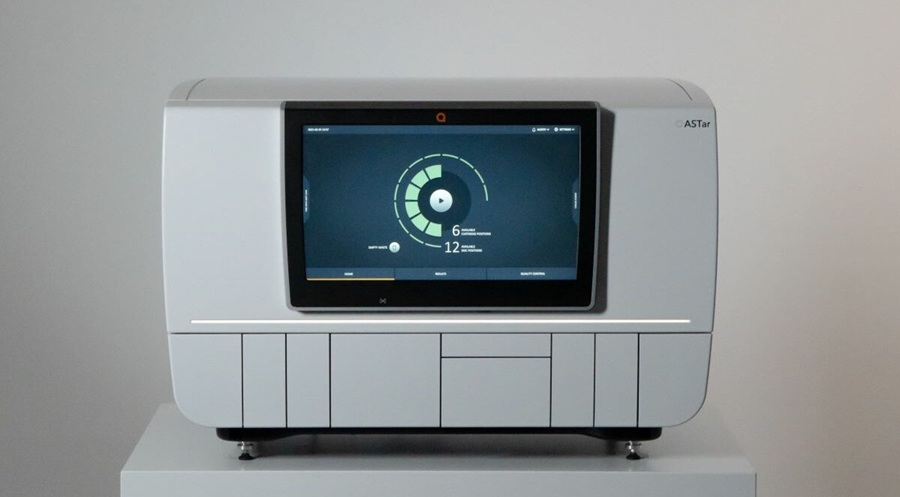
ASTar is a fully automated instrument designed to produce rapid phenotypic antibiotic susceptibility testing (AST) results directly from positive blood cultures in approximately six hours. The Version 2 menu is intended to provide comprehensive phenotypic susceptibility data to inform therapy for Gram-negative bloodstream infection and severe sepsis. Performance has been upgraded with new algorithms covering some previously available combinations, removing many limitations associated with earlier iterations of the panel.
The cleared panel conforms to all of the latest FDA breakpoints. Coupled with the broader organism-antibiotic coverage, the expansion is described as a significant increase in clinical utility for laboratories and clinicians. It is also characterized as the most up-to-date solution available for current breakpoint guidance.
“This menu provides the most comprehensive phenotypic susceptibility data available on the market for physicians deciding on critical therapeutic treatment for patients with Gram-negative blood stream infection and severe sepsis. Reducing time to optimal, targeted antibiotic therapy is crucial to improve individual patient outcomes and minimize the development of novel antibiotic resistance,” said Vikas Gupta, Senior Director of Clinical Affairs, Q-linea.
“Our FDA-cleared panel now closely matches what ASTar already provides to patients in Europe and other markets under CE-IVDR clearance. We look forward to providing patients in the US with the full power of the ASTar platform to improve outcomes and reduce costs for healthcare systems,” said Stuart Gander, President & CEO, Q-linea.