Routine Blood Test Parameters Link Anemia to Cancer Risk and Mortality
Posted on 14 Apr 2026
Anemia detected in routine care can signal underlying pathology and is frequently encountered in adults. Because it is defined by hemoglobin levels below the normal range, it is often evaluated with red blood cell indices, yet the downstream risks remain uncertain. Understanding which of these phenotypes are associated with increased cancer risk could help refine follow-up strategies in practice. New population-based research provides evidence linking incident anemia and red cell size categories to subsequent cancer diagnoses and mortality.
Karolinska Institutet (Stockholm, Sweden) analyzed register data to assess whether newly detected anemia in adults is associated with cancer and all-cause mortality. The work, published in BMJ Oncology, evaluated anemia phenotypes defined by red blood cell size and considered how these laboratory categories relate to outcomes observed after routine care encounters. The findings indicate that simple hematologic parameters available from standard testing may stratify near-term risk.
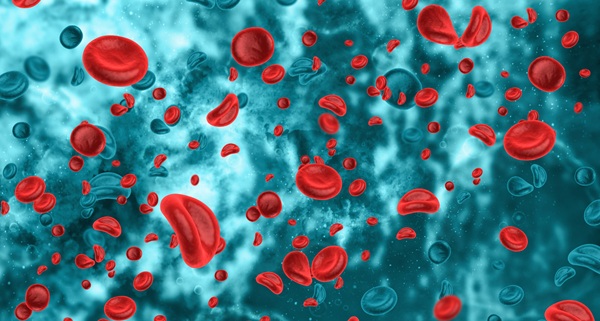
The approach classified anemia by mean corpuscular volume (MCV), a parameter included in routine blood tests, distinguishing microcytosis (small red blood cells) from macrocytosis (large red blood cells). Investigators then compared incident cancer and mortality between adults with newly detected anemia and matched peers without anemia. The analysis also examined whether risks concentrated in the early period after anemia identification or persisted over time.
Using the Stockholm Early Detection of Cancer Study (STEADY-CAN) registers, the study covered almost the entire adult population of Stockholm County from 2011 to 2021. Just over 190,000 adults with newly detected anemia were included, each matched by age and sex to an individual without anemia; all participants were older than 18 years and cancer-free at entry. Follow-up extended up to 18 months after anemia was detected.
Within 18 months, 6.2% of men and 2.8% of women with anemia were diagnosed with cancer, versus 2.4% and 1.1% among those without anemia; mortality was also higher with anemia. Microcytosis was associated with particularly elevated risk of cancer, especially in the gastrointestinal tract and hematopoietic system. Macrocytosis showed a stronger association with increased mortality than with cancer. According to the authors, these results may help guide clinical follow-up of patients with anemia in routine care.
“We found that both the risk of cancer and the risk of death are highest during the first months after anemia is detected, but that the increased risk persists later during follow-up as well,” said Elinor Nemlander, researcher at the Department of Neurobiology, Care Sciences and Society, Karolinska Institutet, and first author of the study.
“Our findings suggest that anemia may be a sign of underlying disease rather than a condition in its own right. Blood tests that are already part of routine care can provide important information about which patients need closer follow-up,” said Elinor Nemlander, researcher at the Department of Neurobiology, Care Sciences and Society, Karolinska Institutet, and first author of the study.
Related Links
Karolinska Institutet





.jpg)