Immune Signatures in Blood Help Inform Cancer Risk in Lynch Syndrome
Posted on 08 Apr 2026
Lynch syndrome is a hereditary condition that increases risk for colorectal and endometrial cancers and often results in earlier-onset disease. Clinicians need better ways to stratify asymptomatic carriers by individual risk to inform surveillance. Immune readouts that capture early tumor recognition may address this gap. A new study shows that blood-based T cell receptor signatures can help distinguish risk among people with Lynch syndrome.
At The University of Texas MD Anderson Cancer Center (Houston, TX, USA), investigators identified a blood-based biomarker derived from circulating T cell receptor (TCR) patterns in peripheral blood mononuclear cells (PBMCs). The approach focuses on tumor-specific neoantigens created by microsatellite mutations that arise in mismatch repair–deficient cancers. T cells recognizing these neoantigens expand and leave measurable TCR signatures in blood, enabling noninvasive assessment of cancer-associated immune activity.
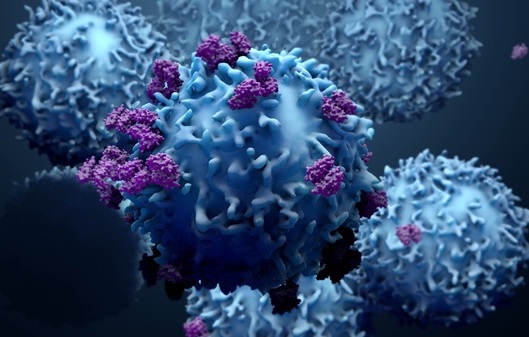
Researchers sequenced TCRs in PBMC samples from 277 individuals: 102 people with Lynch syndrome and a history of cancer (survivors), 130 carriers without a cancer history (previvors), and 45 controls without Lynch syndrome or cancer. Matched colorectal tissues underwent TCR sequencing in three cancers and 11 pre-cancers to relate circulating signatures to tissue-level immune responses. These datasets were used to characterize immune detection patterns linked to Lynch syndrome.
In colon tumors and pre-cancers, specific T cells expanded against tumor neoantigens, and up to 41% of the expanded TCRs from these tissues were also detected in Lynch syndrome carriers but not in controls. Using these features, the team built a classification model that distinguished Lynch syndrome carriers from controls based solely on blood TCR patterns. The model identified carriers regardless of cancer history, including cancer-free previvors, indicating that circulating cancer-associated TCRs provide immune signatures associated with elevated risk.
The findings were published in Nature Communications on April 3, 2026. The authors note that additional validation is needed, and the biomarker could offer a noninvasive option for early detection, risk assessment, and personalized surveillance in Lynch syndrome.
“Providing a potential non-invasive blood test to track cancer risk and immune activity in patients with Lynch Syndrome is a tremendous step forward for this patient population. These are valuable insights into immune responses that can help personalize the way we monitor and direct prevention strategies,” said Eduardo Vilar-Sanchez, M.D., Ph.D., chair ad interim of Clinical Cancer Prevention at MD Anderson Cancer Center.
Related Links
The University of Texas MD Anderson Cancer Center