Blood-Based ctDNA Test Enhances Risk Assessment in HPV-Related Throat Cancer
Posted on 03 Apr 2026
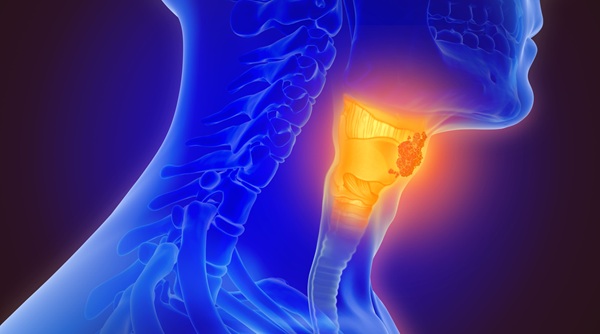
Human papillomavirus (HPV)-associated throat cancer affects more than 22,000 people in the United States each year, with higher incidence in men. Although outcomes are generally favorable, radiation and chemotherapy can lead to long-term toxicities that impair quality of life. Clinicians need biomarkers that refine postoperative risk to match treatment intensity. A new study shows that circulating tumor HPV DNA (ctDNA) measured in blood can augment risk assessment when interpreted alongside pathology.
Researchers at The Ohio State University Comprehensive Cancer Center—Arthur G. James Cancer Hospital and Richard J. Solove Research Institute (OSUCCC—James) assessed how a blood-based ctDNA test changes before and after surgery for HPV-related throat cancer. Investigators examined the relationship between ctDNA dynamics, tumor biology, and patient factors to clarify clinical interpretation. The work, published in JAMA Otolaryngology–Head & Neck Surgery, aims to inform personalized treatment and surveillance strategies.
The study followed 104 adults treated between September 2021 and April 2025. Twenty patients were female and 84 were male, and most had early-stage tumors in the tonsils. All underwent surgical resection, with adjuvant radiation and/or chemotherapy recommended based on pathologic risk factors. Circulating tumor HPV DNA was tested before surgery in all patients and after surgery (prior to radiation) in 74.
Pretreatment ctDNA levels were influenced by tumor biology and kidney function, indicating that baseline measurements reflect more than tumor burden alone. Postoperative ctDNA reflected both residual disease and baseline tumor DNA levels, reinforcing the need for contextual interpretation. A positive ctDNA result after surgery may signal higher risk, whereas a negative result does not necessarily exclude disease. According to the authors, integrating ctDNA readouts with pathology reports can improve risk stratification and help tailor treatment intensity.
Future work will focus on improving ctDNA test sensitivity and embedding the biomarker within multifactorial risk models that combine molecular, clinical, and pathologic factors. The study was conducted at OSUCCC—James and published in JAMA Otolaryngology–Head & Neck Surgery on April 2, 2026.
"We know that more than 90% of throat cancer cases are caused by HPV," said Catherine Haring, MD, an otolaryngologist specializing in head and neck cancers and an assistant professor in the Department of Otolaryngology—Head and Neck Surgery at The Ohio State University College of Medicine. "While this type of cancer responds well to treatment, patient quality of life is impacted by radiation and chemotherapy. Improved biomarkers could help us better tailor treatment to reduce unnecessary side effects while ensuring patients receive the therapy they need."
Related Links
OSUCCC—James