WGS MCED Assay Demonstrates Rising Sensitivity and High Specificity
Posted on 06 Apr 2026
Early detection of cancer remains difficult across many tumor types, and current single‑cancer screening modalities leave significant gaps. Blood‑based, multi‑cancer assays aim to detect tumor signals across diverse histologies while preserving high specificity to limit unnecessary procedures. A new blood‑based multi‑cancer assay now reports finalized study results that outline stage‑stratified sensitivity alongside high specificity.
Caris Life Sciences reported finalized Achieve 1 Study results for Caris Detect, a blood‑based multi‑cancer early detection (MCED) assay that uses Whole Genome Sequencing (WGS). The study enrolled and evaluated 3,014 individuals undergoing high‑risk screening, presenting with symptoms, or found to have a mass on imaging, yielding a cohort with elevated cancer prevalence. The company states that the dataset converts earlier interim findings into a complete analysis and demonstrates superiority of a WGS approach when compared with methylation‑based methods. Results are positioned to quantify diagnostic accuracy across stages and cancer types.

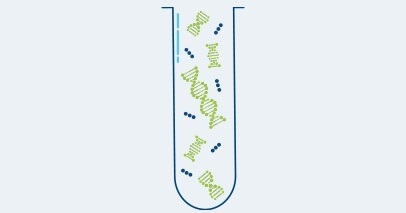
Caris Detect applies artificial intelligence models informed by the company’s molecular profiling experience of more than 1 million cases and over 50 billion molecular markers. The assay analyzes peripheral blood to identify difficult‑to‑detect biological signals associated with early‑stage disease. The performance reported in Achieve 1 reflects analysis of one of nine planned biological pillars, with additional pillars, including Whole Transcriptome Sequencing, intended for future incorporation. The study excluded certain participants in the blinded validation set due to missing staging information (n=36), on‑treatment or post‑surgical blood collection (n=34), or failure to meet minimum sample quality metrics (n=24).
In the blinded validation cohort, sensitivity rose with stage, from 58.4% in stage I (n=77) to 63.0% in stage II (n=54), 84.2% in stage III (n=38), and 97.1% in stage IV (n=36). Specificity measured 100% among asymptomatic individuals (n=20) and 98.1% in benign/high‑risk presentations (n=546). When interim and blinded datasets were totaled, combined stage I–II sensitivity varied by tumor type, reaching 74.1% in prostate cancer (n=58), 73.4% in lung cancer (n=30), 61.8% in bowel cancer (n=55), 60.6% in uterine cancer (n=32), 53.7% in breast cancer (n=297), 70.0% in pancreatic cancer (n=10), and 81.3% in head and neck cancers (n=16). The company indicates these data collectively reinforce the diagnostic potential of a WGS‑based strategy for multi‑cancer detection.
“With this study, we have validated that our Whole Genome Sequencing approach detects the diverse molecular changes that drive cancer and quantifies performance with greater confidence across stages and patient populations. This data reinforces our view that relying on a narrow slice of biology is not sufficient for early detection. We intend to add additional pillars, including Whole Transcriptome Sequencing, which we believe will strengthen and improve the overall performance of the test,” said David Spetzler, MS, PhD, MBA, President of Caris Life Sciences.
Related Links
Caris Life Sciences