WHO Recommends Near POC Tests, Tongue Swabs and Sputum Pooling for TB Diagnosis
Posted on 11 Mar 2026
Tuberculosis (TB) remains one of the world’s leading infectious disease killers, yet millions of cases go undiagnosed or are detected too late. Barriers such as reliance on sputum samples, limited laboratory access, and the high cost of diagnostic equipment continue to delay testing in many settings. The World Health Organization (WHO, Geneva, Switzerland) has now issued new recommendations aimed at improving TB detection through faster and more accessible diagnostic approaches.
The WHO has introduced updated policy guidance that recommends new near-point-of-care molecular tests, easier sample collection methods, and strategies to improve diagnostic efficiency. The guidance will be included in the forthcoming WHO consolidated guidelines on tuberculosis, Module 3: Diagnosis, 2nd edition, which will provide countries with updated tools for identifying TB and drug-resistant TB earlier. For the first time, WHO recommends a new class of near-point-of-care nucleic acid amplification tests (NPOC-NAATs) designed for use in peripheral healthcare settings such as primary care clinics and community laboratories. These molecular tests can detect TB more rapidly and at a lower cost than many existing laboratory-based technologies.
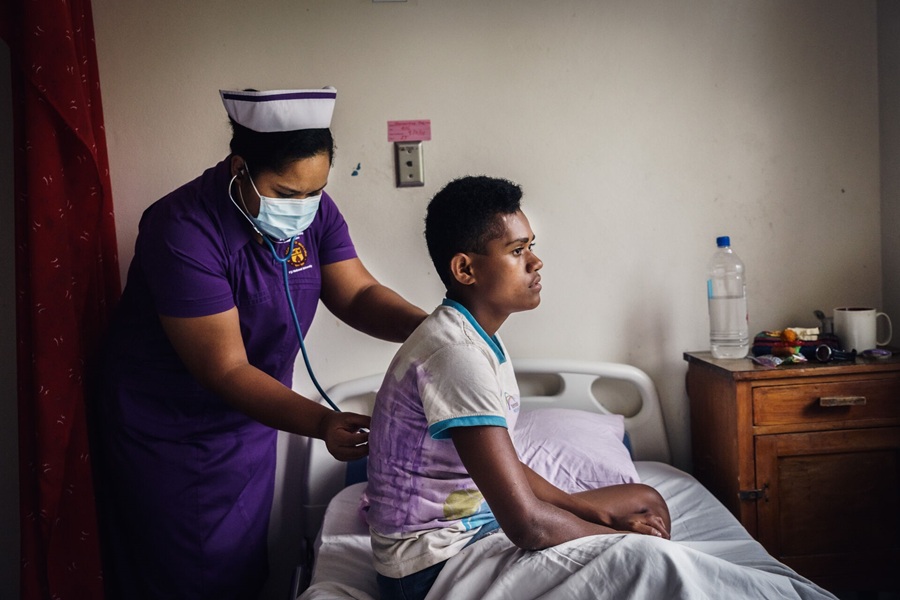
The new guidance also recommends tongue swab samples as an alternative diagnostic specimen. Tongue swabs are easier to collect than sputum samples and may help expand testing among individuals who cannot produce sputum, including many adults and adolescents with suspected TB. In addition, WHO recommends sputum pooling strategies for testing TB and rifampicin-resistant TB using low-complexity automated nucleic acid amplification tests (LC-aNAATs). Pooling samples can improve laboratory efficiency and reduce costs, particularly in resource-limited settings.
These diagnostic innovations aim to close persistent gaps in TB detection by expanding testing options and improving accessibility in community and primary care environments. Earlier diagnosis can enable faster treatment initiation, helping reduce disease transmission and improve patient outcomes. The updated WHO guidance will be accompanied by an operational handbook and implementation toolkit to help countries adopt the new technologies. Additional webinars, training materials, and online resources will support national TB programs in updating testing strategies and expanding access to rapid molecular diagnostics.
“These new WHO recommendations mark a major step forward in making TB testing faster and more accessible,” said Dr. Tereza Kasaeva, Director of WHO’s Department for HIV, TB, Hepatitis & STIs. “WHO urges countries and partners to work together to roll out these guidelines to close persistent diagnostic gaps and ensure that everyone with TB can be diagnosed early and start life-saving treatment without delay.”
Related Links:
WHO