Simple One-Hour Saliva Test Detects Common Cancers
Posted on 09 Mar 2026
Early detection is critical for improving cancer outcomes, yet many diagnostic tests rely on invasive procedures such as blood draws or biopsies. Researchers are exploring simpler approaches that could enable rapid screening using readily collected samples, such as saliva. Scientists have developed a new saliva-based test that detects a protein biomarker associated with several cancer types within approximately one hour.
Researchers at Queensland University of Technology (QUT; Brisbane, Australi) have developed a portable diagnostic method to detect the protein biomarker S100P, which has been linked to oral, colon, pancreatic, prostate, and several other cancers. The test uses a paper-based sensor coated with gold and silver nanoparticles. These particles enable a detection technique known as surface-enhanced Raman spectroscopy (SERS), which identifies molecules based on how they scatter laser light.
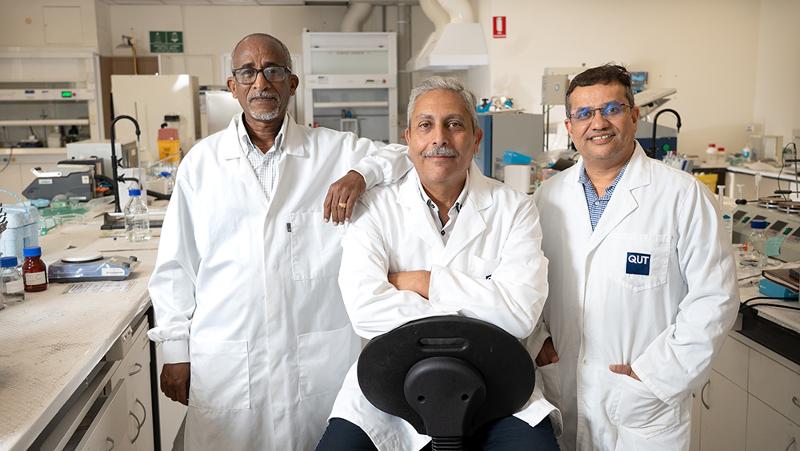
The researchers created a paper sensor that selectively captures the S100P biomarker from saliva samples. To prepare the sensor, antibodies were chemically attached to the nanoparticle-coated paper using a light-driven synthesis process with deep ultraviolet LEDs. Once the biomarker binds to the sensor, the system records the Raman spectrum of the sample, allowing detection of S100P without requiring complex laboratory processing. The team also developed a target-specific paper extraction chip that isolates the biomarker before analysis, improving detection accuracy. The resulting method, published in Talanta, provides a rapid and low-cost way to detect S100P using a saliva sample.
Because the test uses saliva rather than blood or tissue biopsies, it may offer a noninvasive screening approach that could potentially be used in point-of-care settings. The paper-based sensor also reduces manufacturing costs and avoids complex chemical processes typically used in biomarker detection. Researchers suggest that the technology could help identify cancers or precancerous changes earlier, allowing doctors to intervene sooner. Further studies will be required to validate the method before it can be implemented in clinical screening programs.
“This method could shorten diagnosis time to minutes instead of hours or days and uses low-cost and portable materials,” said Associate Professor Emad Kiriakous, PhD.
Related Links:
Queensland University of Technology