Blood Test Could Help Guide Treatment Decisions in Germ Cell Tumors
Posted on 09 Mar 2026
Chemotherapy is often highly effective for germ cell tumors, but in a subset of patients, the disease does not respond well to standard treatment. For these individuals, doctors may consider high-dose chemotherapy, an intensive therapy that can carry significant risks and side effects. Determining whether such treatment is likely to help remains a major clinical challenge. Researchers are now investigating whether fragments of tumor DNA circulating in the blood could help predict treatment outcomes and guide therapy decisions.
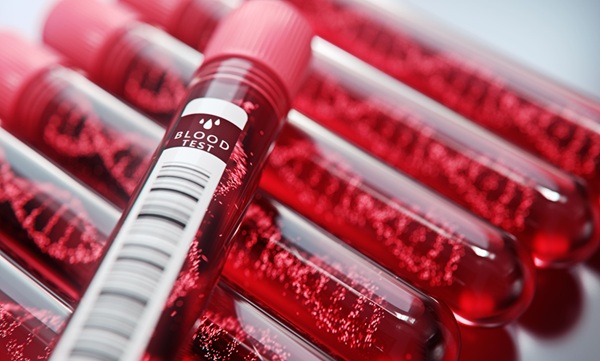
In a study led by scientists at the Princess Máxima Center (Utrecht, the Netherlands), in collaboration with other researchers, the team analyzed circulating tumor DNA (ctDNA) in blood samples collected before and during chemotherapy. These fragments of tumor-derived genetic material can reveal molecular changes associated with cancer behavior and treatment resistance. Blood samples from 69 patients receiving high-dose chemotherapy and 26 patients receiving standard chemotherapy were analyzed using shallow whole-genome sequencing.
The researchers evaluated several genomic markers in circulating tumor DNA, including tumor fraction and copy number alterations. The analysis showed that tumor DNA was detectable in about 75 percent of patients undergoing high-dose chemotherapy. Patients with a higher tumor fraction had significantly poorer progression-free and overall survival compared with those with lower levels.
The team also identified specific genetic changes—including gains in chromosome regions 3p, 9q, and 11q, and loss of 6q—that were associated with poorer outcomes in patients receiving high-dose therapy. Tumor histology also influenced prognosis, with cancers showing extra-embryonic characteristics such as yolk sac tumor or choriocarcinoma linked to worse survival. Another biomarker, miR-371a-3p, was effective at detecting disease but did not predict survival outcomes as reliably as the tumor DNA analysis.
The findings, published in the Journal of Clinical Oncology, suggest that circulating tumor DNA could serve as a minimally invasive biomarker to help guide treatment decisions in patients with germ cell tumors that do not respond well to standard chemotherapy. In particular, the test may help doctors determine whether initiating high-dose chemotherapy is likely to benefit a patient.
Researchers emphasize that further studies are needed to confirm these results in larger patient groups, including children and adolescents with germ cell tumors. If validated, the approach could improve risk stratification and help clinicians identify alternative therapies with fewer side effects. The researchers concluded that analyzing tumor DNA fragments in blood provides valuable prognostic information in relapsed or treatment-resistant germ cell tumors and may support more personalized treatment decisions in patients facing highly intensive chemotherapy.
Related Links:
Princess Máxima Center





.jpg)