Blood-Based Viral Signature Identified in Crohn’s Disease
Posted on 02 Mar 2026
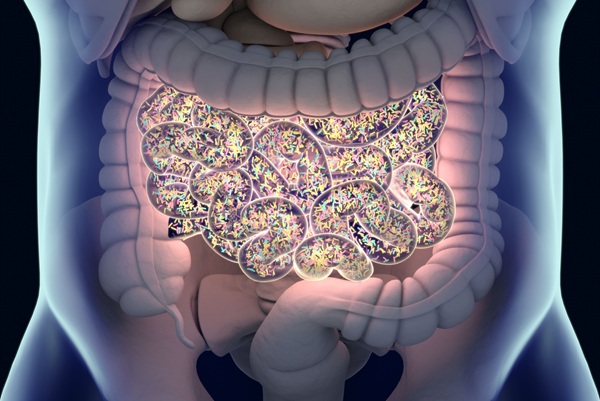
Crohn’s disease is a chronic inflammatory intestinal disorder affecting approximately 0.4% of the European population, with symptoms and progression that vary widely. Although viral components of the microbiome are drawing increasing attention, the gut virome is highly diverse, and individuals rarely share the same species profile, complicating comparisons. Given the increased intestinal permeability associated with Crohn’s disease, researchers suspected that viral composition in the blood might also be altered. They now report a distinctive blood-based viral signature linked to the disease.
Scientists at the French National Research Institute for Agriculture, Food and Environment (INRA), together with Sorbonne University and AP‑HP Saint Antoine, identified a viral blood signature centered on bacteriophages—viruses that infect bacteria. Investigators compared the blood virome between patients and healthy subjects and found reproducible differences in phage profiles associated with Crohn’s disease. The work establishes the presence of a low-abundance circulating virome in all individuals and indicates that its composition varies with disease status.

In a comparative study, blood from 15 patients with Crohn’s disease was analyzed alongside samples from 14 healthy controls. Low concentrations of viral particles were detected in both groups, averaging about 100,000 particles per milliliter of blood, versus an estimated one billion particles per gram in the gut virome. Bacteriophages predominated across participants, with roughly 150 phage species per individual, and only a small minority of human viruses detected, identified as nonpathogenic anelloviruses.
Distinct compositional differences emerged between groups. Bacteriophages that target bacteria of the genus Acinetobacter were observed in controls but were almost absent in samples from individuals with Crohn’s disease. Conversely, a wide variety of bacteriophages that target typical hosts, including intestinal bacteria, appeared only in the Crohn’s disease group. These findings both confirm a blood virome in all individuals and enable detection of a signature for Crohn’s disease. The findings were detailed in a stydy published in Gastroenterology.
The authors note that the data open new research directions, including investigation of bacteriophage translocation linked to gut barrier dysfunction, analysis of larger validation cohorts or more homogeneous disease subgroups, and exploration of how viruses persist in the blood despite an operational immune system. The team also highlights the possibility that reduced intestinal barrier function in Crohn’s disease could underlie the observed blood virome shifts.
Related Links:
INRAE






 Analyzer.jpg)