Electronic Nose Smells Early Signs of Ovarian Cancer in Blood
Posted on 26 Feb 2026
Ovarian cancer is often diagnosed at a late stage because its symptoms are vague and resemble those of more common conditions. Unlike breast cancer, there is currently no reliable screening method, and existing blood tests rely on single biomarkers that lack the precision needed for early detection. In 2022 alone, approximately 325,000 new cases and more than 200,000 deaths were reported worldwide, with projections showing sharp increases by 2050. Now, a machine learning-based method can detect early signs of ovarian cancer from blood samples with high accuracy, offering a faster and potentially more accessible screening approach.
Researchers at Linköping University (Linköping, Sweden), in collaboration with VOC Diagnostics AB (Linköping, Sweden), used an electronic nose equipped with 32 commercially available sensors that detect volatile substances released from blood plasma samples. Each cancer type emits a distinct pattern of volatile compounds, effectively giving it a unique “smell.” Instead of searching for a specific biomarker, the system captures a broad chemical profile and analyzes the data using advanced machine learning models trained on known samples from a biobank.
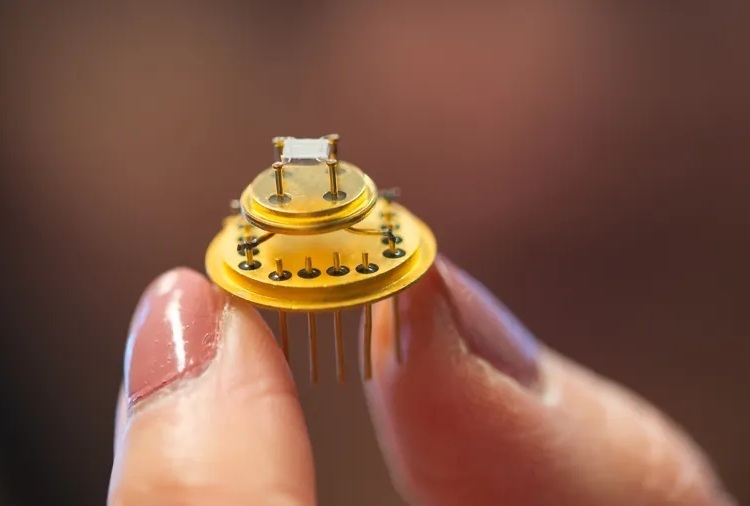
The researchers developed an algorithm capable of distinguishing ovarian cancer from endometrial cancer and healthy control samples. A pilot study demonstrated that the tool achieved 97% accuracy in identifying ovarian cancer. The test requires only 10 minutes to generate a result and has proven capable of separating disease stages with strong precision. The findings, published in Advanced Intelligent Systems, suggest that combining established sensor technology with modern AI can significantly enhance diagnostic performance compared to current biomarker-based tests.
Because the method does not depend on identifying a single biomarker, it may overcome limitations of existing ovarian cancer screening tools. The low-cost and rapid nature of the test could support broader, more accessible screening programs, particularly in settings where laboratory infrastructure is limited. Researchers believe the platform could eventually be adapted to detect multiple cancer types, as different malignancies produce distinct volatile profiles. The team hopes the approach may be integrated into cancer screening programs within three years, expanding early detection and improving survival outcomes.
“It’s a simple test that takes 10 minutes and gives a clear result. Our method can test many people at a low cost and is much more accurate than what’s on the market today,” said Associate Professor Jens Eriksson, who was involved in developing the electronic nose. “This study is a pilot, but we hope it will be used as part of cancer screening within three years. Right now, we’ve focused on detecting cancer, but the applications are endless.”
Related Links:
Linköping University
VOC Diagnostics AB