Blood Test Could Help Detect Gallbladder Cancer Earlier
Posted on 27 Feb 2026
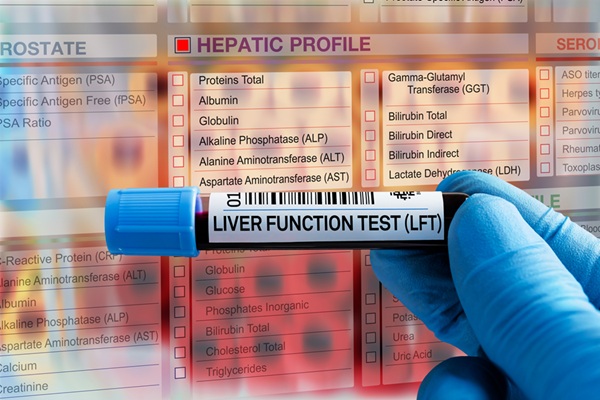
Gallbladder cancer is one of the deadliest gastrointestinal cancers because it is often diagnosed at an advanced stage when treatment options are limited. Early symptoms are minimal, and current screening approaches are inadequate, particularly in high-incidence regions. The presence or absence of gallstones further complicates diagnosis, as these groups often require different clinical evaluation strategies. Researchers have now identified distinct chemical signatures in blood that can differentiate gallbladder cancer from noncancerous conditions, offering a potential pathway toward noninvasive early screening.
An interdisciplinary team led by Tezpur University (Assam, India), in collaboration with the University of Illinois Urbana-Champaign (Urbana, IL, USA), used advanced metabolomics and computational analysis to examine blood samples from three groups: gallbladder cancer patients without gallstones, cancer patients with gallstones, and individuals with gallstones but no cancer. Researchers analyzed hundreds of metabolites in the blood to identify disease-specific patterns. Advanced computational metabolomics techniques were used to annotate metabolites accurately and interpret overlapping biochemical signals, enabling clear differentiation between cancer-related and non-cancerous metabolic changes.
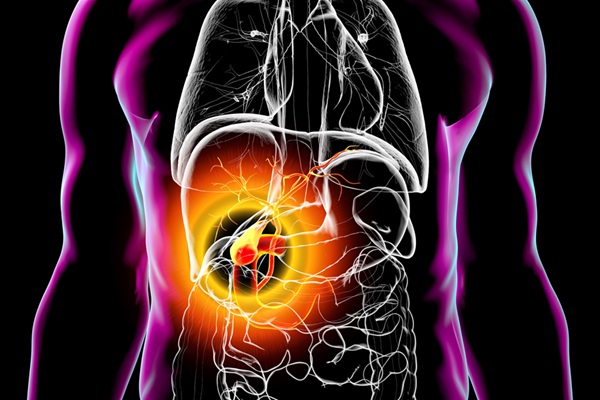
The team detected 180 altered metabolites in gallstone-free cancer cases and 225 in gallstone-associated cancer cases. Many of these metabolites were linked to bile acids and amino acid derivatives involved in tumor development and progression. The findings, published in the Journal of Proteome Research, showed that specific metabolic markers demonstrated high diagnostic accuracy in distinguishing gallbladder cancer cases from noncancerous conditions. The analysis also clarified how metabolic signatures differ depending on a patient’s gallstone status.
The results suggest that blood-based metabolic markers could form the basis of simple, noninvasive tests for earlier gallbladder cancer detection. Such screening tools could be particularly valuable in high-risk regions, where the disease is more common and often diagnosed late. While larger multicenter studies are needed before clinical implementation, the research provides foundational evidence for developing accessible diagnostic approaches. The team aims to expand validation efforts and further explore how metabolomics can bridge laboratory discoveries with real-world clinical applications.
“Our findings show that changes in certain blood metabolites can clearly distinguish gallbladder cancer cases with and without gallstones,” said Assistant Professor Pankaj Barah, lead investigator of the study. “This raises the possibility of developing simple blood-based tests that could support earlier diagnosis.”
Related Links:
Tezpur University
University of Illinois Urbana-Champaign