New Blood Test Score Detects Hidden Alcohol-Related Liver Disease
Posted on 27 Feb 2026
Fatty liver disease affects nearly one in three adults worldwide and can be driven by metabolic conditions such as obesity and diabetes or by excessive alcohol use. In routine care, it is often difficult to determine whether liver injury is caused by alcohol, especially when drinking is underreported. Missed alcohol-related damage can silently progress for years, leading to hospitalization and preventable deaths. Now, researchers have developed a new blood test score that helps identify when fatty liver disease is likely driven by alcohol, enabling earlier intervention and more personalized care.
The score, called the MetALD-ALD Prediction Index (MAPI), was developed at the University of California San Diego School of Medicine (San Diego, CA, USA) and uses five standard laboratory values already collected during routine primary care and liver clinic visits. By analyzing these commonly available lab results, MAPI estimates whether alcohol-related liver injury may be contributing to fatty liver disease, even when alcohol use is not fully disclosed. The tool is designed to guide clinicians on when additional alcohol-specific testing, such as phosphatidylethanol (PEth), may be necessary.
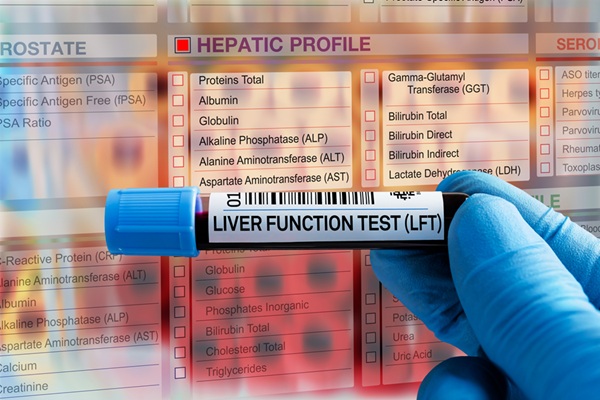
The researchers evaluated MAPI in more than 500 adults in the San Diego region and approximately 1,800 individuals in Sweden. The results showed that the score outperformed commonly used blood tests in distinguishing alcohol-related liver injury from metabolic causes. The study, published in Gastroenterology, demonstrated that MAPI can help identify patients who may benefit from advanced alcohol testing. While PEth testing is highly accurate, it can be costly or unavailable in many settings, making MAPI a practical screening tool to improve access and efficiency.
MAPI may be particularly valuable in primary care, where most cases of fatty liver disease are first detected. By clarifying the role of alcohol in liver injury, the tool can support earlier lifestyle interventions, guide treatment decisions, and reduce long-term complications. Researchers plan to use MAPI in large observational studies and future clinical trials to further validate its utility. Broader implementation could enhance liver disease classification and improve patient outcomes across diverse health care settings.
“This new score gives clinicians a simple and accessible way to uncover hidden alcohol-related liver injury,” said Rohit Loomba, MD, senior author of the study. “By improving how we classify liver disease, we can help patients achieve better long-term health outcomes.”
Related Links:
UC San Diego School of Medicine