Blood Test Boosts Early Detection of Brain Cancer
Posted on 24 Feb 2026
Brain and central nervous system (CNS) tumors are often diagnosed at an advanced stage, when treatment options are limited, and survival rates remain low. Around 300,000 new cases are diagnosed each year globally, with five-year survival at approximately 33%. Delays between GP visits, imaging referrals, and definitive diagnosis can further worsen outcomes. Now, a new blood-based early detection test is designed to support faster and more informed referral decisions for patients with neurological symptoms.
Dxcover (Glasgow, UK) has announced the availability of its blood-based brain cancer test in the UK. The company reports that the test demonstrated a 99.3% negative predictive value (NPV), indicating a high likelihood that patients with negative results do not have the disease. The test uses Dxcover’s Panoromic liquid biopsy platform, which combines infrared spectroscopy with artificial intelligence (AI)-driven data analysis.
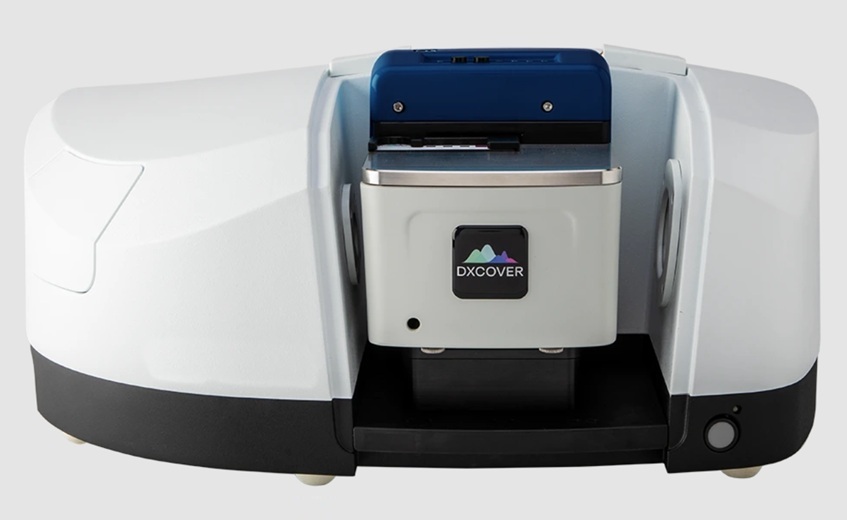
Rather than focusing solely on tumor-derived genetic material, the system captures multiomic signals from the proteome, lipidome, metabolome and other biological components in blood. According to the company, the test can deliver results in under 24 hours. For patients who test positive, results may support escalation to urgent imaging or specialist referral. For patients who test negative, the high NPV could help provide reassurance and reduce unnecessary imaging referrals. The company highlights evidence suggesting that even a one-month improvement in time to diagnosis could reduce mortality by 18–28%.
The test is designed to integrate into existing GP referral workflows, helping prioritize symptomatic patients while they await CT or MRI scans amid ongoing imaging capacity pressures. By supporting earlier and more accurate triage, the platform aims to improve patient outcomes and accelerate treatment pathways. In addition to brain tumors, Dxcover is developing its Panoromic platform for ovarian and pancreatic cancers, where early-stage disease is often difficult to detect, and diagnosis frequently relies on symptom presentation.
“To date, blood-based detection of brain malignancies has been out of reach, with too many technical challenges for other technologies,” said Matthew J. Baker, CEO and co-Founder of Dxcover. “But now a minimally invasive clinical test can help improve outcomes for patients and enable treatment developments to move faster in this space.”
Related Links:
Dxcover