Simple Blood Test Offers New Path to Alzheimer’s Assessment in Primary Care
Posted on 23 Feb 2026
Timely evaluation of cognitive symptoms in primary care is often limited by restricted access to specialized diagnostics and invasive confirmatory procedures. Clinicians need accessible tools to determine when further workup is warranted and when alternative causes should be considered. Blood-based approaches can streamline this initial assessment in routine settings. A newly launched test now enables rule-out of Alzheimer’s disease in symptomatic adults using a single blood draw, supporting referral decisions in primary care.
Labcorp has announced nationwide availability in the United States of Roche Diagnostics’ Elecsys pTau-181 test, described as the first and only blood test cleared by the U.S. Food and Drug Administration to aid in the initial assessment of Alzheimer’s disease in the primary care setting. The assay is intended for patients aged 55 years and older who present with symptoms of cognitive decline, expanding access across both primary and specialty care environments.
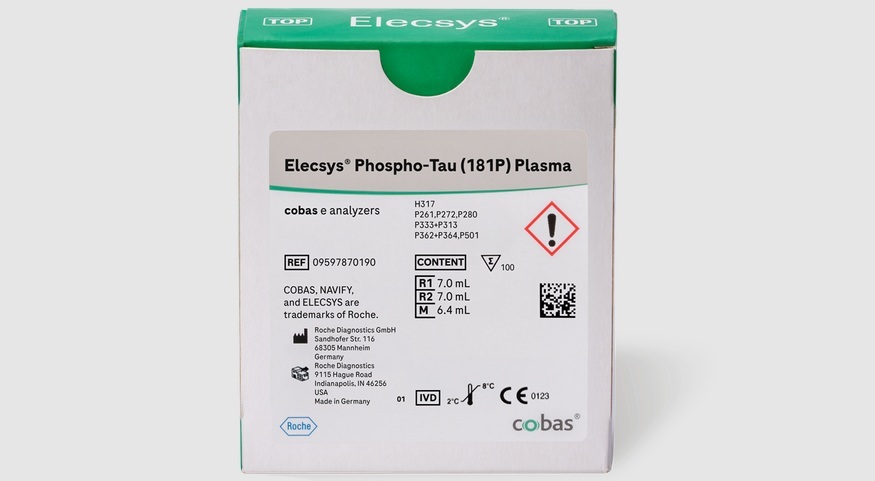
The Elecsys pTau-181 test helps clinicians rule out Alzheimer’s disease by identifying which symptomatic patients aged 55 and older are unlikely to have amyloid pathology, defined as abnormal protein buildup in the brain associated with the condition, when interpreted in the context of all clinical findings. Patients with negative results can be evaluated for other potential causes of cognitive decline, while those with positive results can be referred for additional diagnostic testing. The assay is performed using a simple blood draw in a physician’s office or at any of Labcorp’s more than 2,200 patient service centers, providing an alternative to brain imaging or lumbar puncture.
Reported performance includes a 97.9% negative predictive value to support more confident rule-out of Alzheimer’s pathology in symptomatic patients. The approach is intended to help reduce unnecessary referrals amid a national shortage of neurologists and to support timely evaluation of other etiologies of cognitive symptoms. With an estimated 7.2 million Americans living with Alzheimer’s disease, the launch strengthens Labcorp’s portfolio of blood-based biomarker tests for dementia across care settings.
“Primary care clinicians are often the first point of contact for patients with concerns related to cognitive symptoms, yet Alzheimer’s testing has historically required a visit to a specialist,” said Dr. Brian Caveney, Chief Medical and Scientific Officer at Labcorp. “By making this first-of-its-kind blood test available nationwide, Labcorp is giving primary care clinicians a powerful tool to help patients get answers sooner and guide next steps with confidence.”
Related Links
Roche Diagnostics
Labcorp