New CSF Liquid Biopsy Assay Reveals Genomic Insights for CNS Tumors
Posted on 19 Feb 2026
Central nervous system (CNS) malignancies pose distinctive diagnostic challenges because tissue-based testing is often infeasible and the blood–brain barrier limits the usefulness of plasma liquid biopsy. Cerebrospinal fluid (CSF) has emerged as a viable source of tumor-derived nucleic acids for genomic profiling in these patients. A newly validated assay now targets this need by enabling comprehensive genomic characterization from CSF with reported high sensitivity and specificity.
Belay Diagnostics (Chicago, IL, USA), a CLIA/CAP-accredited laboratory, reported analytical and clinical validation of the Belay Summit 2.0 Comprehensive Genomic Profile assay. Validation data from 118 patients have been published in the peer‑reviewed journal Cancers, supporting the assay’s use in CNS oncology. The study incorporated CSF samples from patients with both primary and metastatic CNS cancers and included tissue biopsy-matched and definitively diagnosed cases.
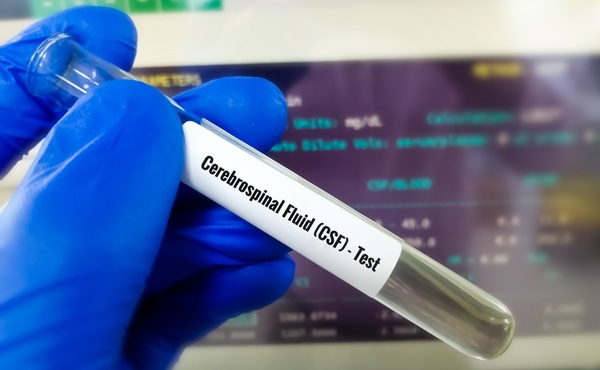
Summit 2.0 is a CSF-based liquid biopsy designed for comprehensive genomic profiling of CNS tumors. The assay evaluates tumor-derived total nucleic acid extracted from CSF and detects multiple biomarker classes, including single nucleotide variants (SNVs), insertions/deletions (indels), copy number variants (CNVs), and gene fusions. It also reports immunotherapy-associated biomarkers such as tumor mutational burden (TMB) and microsatellite instability (MSI).
Analytical validation demonstrated robust and reproducible detection across all supported variant classes using as little as 15 ng of tumor-derived nucleic acid from CSF. Reported analytical sensitivity was 96.7% for SNVs and indels, with a limit of detection of 0.3% variant allele frequency (VAF) at 100% detection. Clinical validation across 118 CSF specimens showed 96% clinical sensitivity and 98% specificity for detecting CNS malignancies.
The clinical cohort included gliomas, astrocytomas, glioblastomas, medulloblastomas, lymphomas, and metastases originating from lung, breast, melanoma, and other solid tumors. The expanded content of Summit 2.0 also improved detection yield versus the prior generation, identifying clinically significant alterations in cases previously characterized as negative with Summit 1.0.
“We’re proud to make advanced testing like Summit 2.0 available to clinicians caring for patients with CNS cancers,” said Brian Coe, Co‑founder and Chief Executive Officer of Belay Diagnostics. “This work reflects the dedication of our team at Belay and our collaborators at Johns Hopkins University to delivering minimally invasive diagnostic tools that can meaningfully support patient care.”
Related Links:
Belay Diagnostics