CRISPR-Based Technology Neutralizes Antibiotic-Resistant Bacteria
Posted on 13 Feb 2026
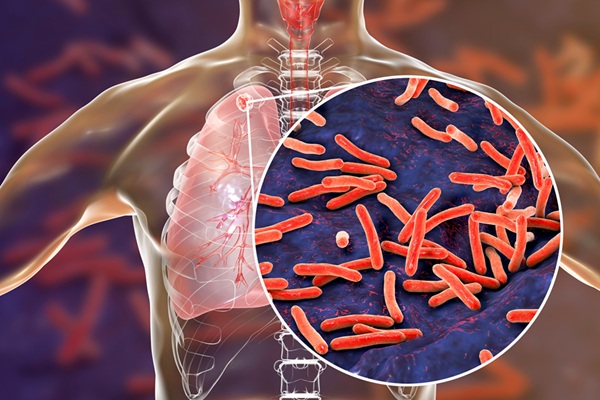
Antibiotic resistance has accelerated into a global health crisis, with projections estimating more than 10 million deaths per year by 2050 as drug-resistant “superbugs” continue to spread. These bacteria thrive in hospitals, sewage treatment facilities, animal farms, and aquaculture environments, evolving new ways to evade treatment. Current strategies largely attempt to slow resistance, but few approaches can actively reverse it once established. Researchers have now developed a genetic tool designed to remove antibiotic-resistant elements from bacterial populations, potentially restoring their sensitivity to existing drugs.
Researchers at the University of California San Diego (La Jolla, CA, USA) have developed a CRISPR-based platform inspired by gene drives, which are used in insects to disrupt the spread of harmful traits. The second-generation system, known as pPro-MobV, introduces a genetic cassette that targets antibiotic resistance genes carried on plasmids, circular DNA elements that replicate within bacterial cells. The cassette spreads through bacterial populations via conjugal transfer, a process similar to mating, exploiting natural cell-to-cell connections to disseminate the disabling components.
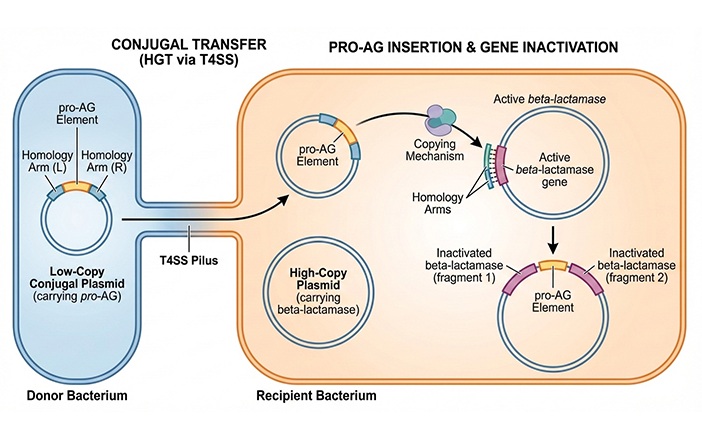
The researchers demonstrated that the pPro-MobV system could effectively propagate through bacterial communities, including biofilms, which are notoriously resistant to conventional cleaning and antibiotic treatment. By inserting CRISPR components into antibiotic resistance genes, the system inactivated these elements and restored drug sensitivity. The findings, published in npj Antimicrobials and Resistance, show that the technology can function in complex bacterial environments.
The study also revealed that bacteriophages could carry and deliver components of the system, potentially enhancing its reach and effectiveness. Because biofilms contribute to persistent infections, the ability to spread resistance-disabling elements in these settings has significant clinical implications. The technology may support infection control in healthcare facilities where antibiotic resistance is prevalent.
Researchers envision combining the platform with engineered bacteriophages and incorporating safety features such as homology-based deletion to remove the cassette if needed. Future work will focus on refining the system for practical deployment and evaluating its broader impact on microbial ecosystems.
“With pPro-MobV we have brought gene-drive thinking from insects to bacteria as a population engineering tool,” said UC San Diego School of Biological Sciences Professor Ethan Bier. “With this new CRISPR-based technology, we can take a few cells and let them go to neutralize AR in a large target population.”
Related Links:
UC San Diego