Fully Automated Immunoassay Test Detects HDV Co‑Infection and Super-Infection
Posted on 12 Feb 2026
Hepatitis delta, also known as hepatitis D, is caused by the hepatitis delta virus (HDV). It is a viral liver infection that can result in one of the most severe forms of viral hepatitis. Occurring as a co-infection or a superinfection in individuals with chronic hepatitis B virus (HBV), HDV can progress to chronicity, cirrhosis, liver failure, and cancer. Mortality rates are up to 50% within 5 years in cirrhotic patients. It is estimated that the global hepatitis delta virus epidemic affects more than 15 million individuals worldwide, with many cases going undiagnosed in both endemic and non-endemic geographies. Now, a novel immunoassay for HDV detection aims to address current limitations in availability and testing to improve patient identification.
Diasorin (Saluggia, Italy), with support from Gilead Sciences (Foster City, CA, USA), has developed LIAISON Murex Anti-HDV Immunoassay, an automated diagnostic assay that aids in the diagnosis of HDV in individuals living with HBV. HDV is known as a “satellite virus” of HBV because it depends on it for viral replication and dissemination in liver cells. Individuals with HBV infection must get tested for HDV, as they are most at risk. Getting tested for HDV can help improve patient outcomes by ensuring infected individuals receive appropriate and prompt medical care and treatment.
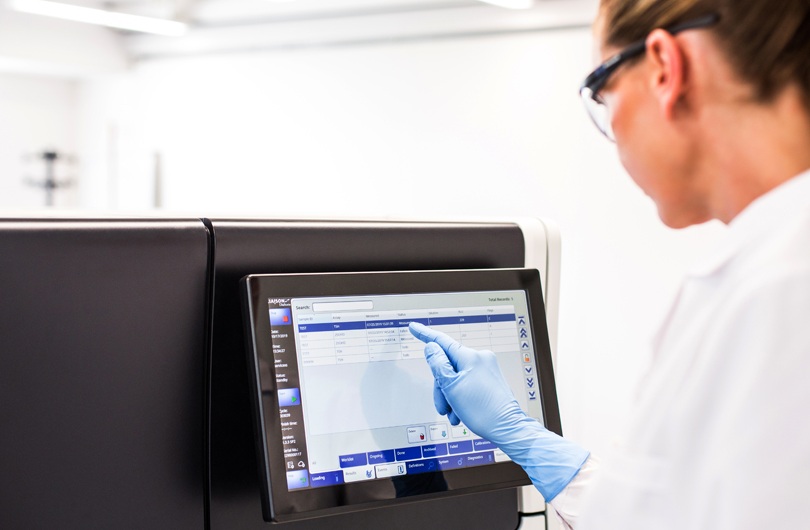
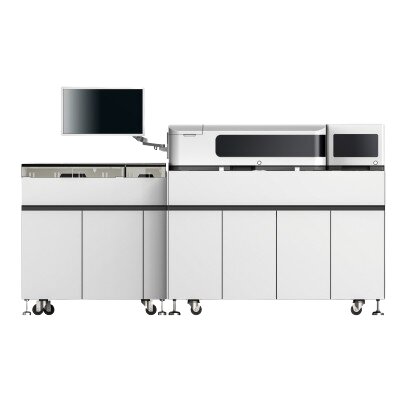
Diasorin has secured U.S. Food and Drug Administration (FDA) De Novo authorization for the LIAISON Murex Anti-HDV Immunoassay, making it the first fully automated FDA-authorized immunoassay for HDV detection in the U.S. Designated as a Breakthrough Device by the FDA, the fully automated HDV immunoassay test on the Diasorin LIAISON XL is available in the United States starting February 2026.
“We are proud to announce this new milestone in HDV testing, that confirms our ability to grow Diasorin’s offering of innovative specialty tests” said Chen Even, PhD, CCO of Diasorin. “We believe that this new innovative diagnostic solution will support future critical clinical decisions, aiding in the prevention of Hepatitis Delta severe complications.”
“Marking a major advancement for patients with hepatitis B, the FDA De Novo authorization of an automated total anti‑HDV test provides clinicians with a standardized and reliable routine method for detecting HDV co‑infection and super-infection - a key driver of accelerated progression to cirrhosis and liver failure," added Dr. Robert Gish, Medical Director of the Hepatitis B Foundation. "Broad access to accurate HDV testing will enable earlier identification and more informed clinical management across U.S. practices."
Related Links:
Diasorin
Gilead Sciences