Comprehensive Review Identifies Gut Microbiome Signatures Associated With Alzheimer’s Disease
By LabMedica International staff writers
Posted on 04 Feb 2026
Alzheimer’s disease affects approximately 6.7 million people in the United States and nearly 50 million worldwide, yet early cognitive decline remains difficult to characterize. Increasing evidence suggests that imbalances in the gut microbiome—known as dysbiosis—may contribute to the onset and progression of mild cognitive impairment (MCI) and Alzheimer’s disease.
Researchers are increasingly focused on the microbiota–gut–brain axis, a complex network linking the gut, immune system, and brain. Disruptions in this system are thought to promote neuroinflammation, leading to damage of nerve cells and potentially accelerating cognitive decline associated with Alzheimer’s disease. New research has revealed reproducible bacterial and functional signatures linking gut microbiome dysbiosis to MCI and Alzheimer’s disease.
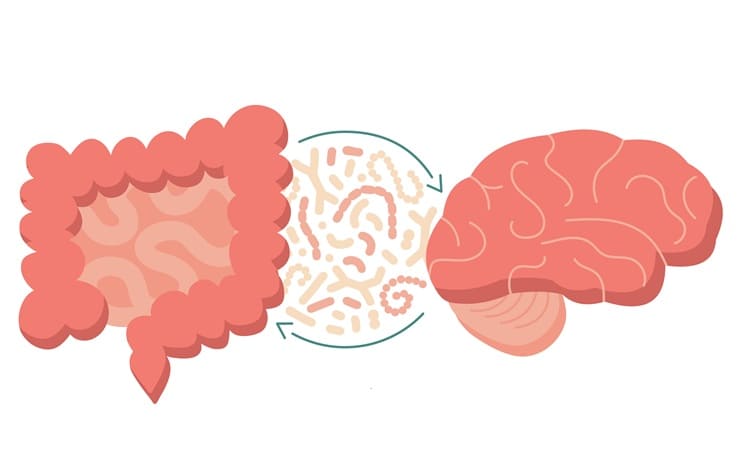
Image: New evidence suggests that imbalances in the gut microbiome may contribute to the onset and progression of MCI and Alzheimer’s disease (Photo courtesy of Adobe Stock)
George Washington University (Washington, DC, USA) researchers analyzed 58 human studies published through February 2023, constituting the most comprehensive human-only review in this area. Published January 22, 2026 in Alzheimer’s & Dementia, the work assessed microbiome composition, diversity, and predicted function.
Across multiple studies, people with mild cognitive impairment and Alzheimer’s disease consistently exhibited gut microbiota profiles that differed from those of cognitively healthy older adults. Alzheimer’s disease was associated with higher levels of certain bacterial groups, particularly the phyla Pseudomonadota and Actinomycetota. In addition, some individuals with Alzheimer’s disease showed reduced gut microbial diversity, meaning they had fewer types of bacteria than typically observed.
The types and relative abundance of gut bacteria differ among people with MCI, Alzheimer’s disease, and cognitively healthy individuals, suggesting distinct microbiome signatures at different stages of cognitive decline. In people with Alzheimer’s disease, functional alterations in gut bacteria have also been observed, including reduced activity in pathways related to energy production and immune function.
Although the review does not establish a cause-and-effect relationship, its findings are consistent with broader evidence indicating that diets high in fiber may promote a healthier gut microbiome, with possible downstream benefits for inflammation and brain health.
“While these early, largely observational results are encouraging, we need clinical trials to determine whether microbiome-targeted interventions can meaningfully alter disease trajectories. These trials are already underway in our lab and labs around the world.” said lead researcher Leigh Frame, associate professor in the George Washington University School of Medicine and Health Sciences.
Related Links
GW School of Medicine & Health Science