Newly-Identified Parkinson’s Biomarkers to Enable Early Diagnosis Via Blood Tests
Posted on 04 Feb 2026
Parkinson’s disease is a slow-progressing neurological disorder that disrupts the brain’s ability to control movement and is typically diagnosed after the age of 55. By the time motor symptoms appear, a large proportion of critical brain cells have already been damaged, limiting treatment options. Despite affecting more than 10 million people worldwide, there is currently no reliable screening method to detect the disease early. Researchers have now identified biomarkers that appear in blood during the earliest phase of Parkinson’s, revealing a critical diagnostic window before extensive brain damage occurs.
In a study led by Chalmers University of Technology (Gothenburg, Sweden), in collaboration with Oslo University Hospital (Oslo, Norway), researchers focused on molecular processes believed to be active years before Parkinson’s symptoms develop. Using advanced data analysis and machine learning, they investigated whether early disease mechanisms leave detectable traces in blood that could support future screening.
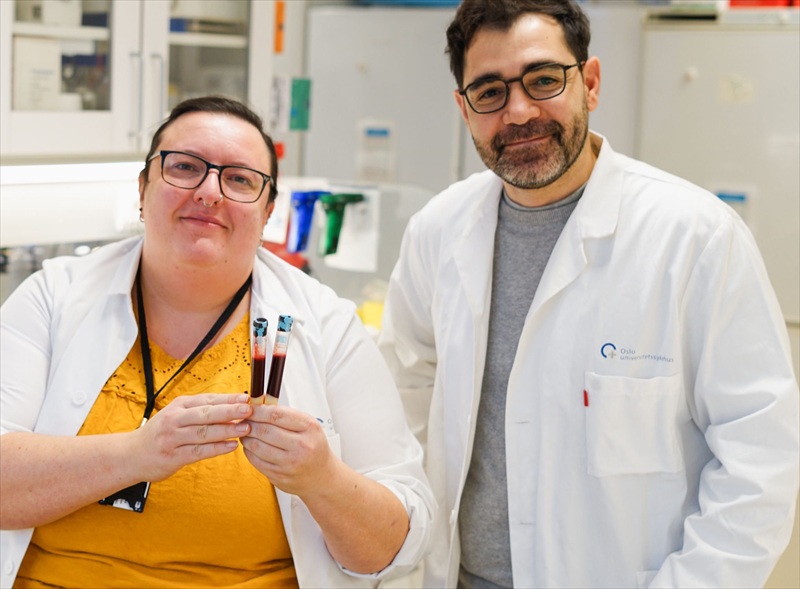
The study examined two biological processes linked to early Parkinson’s development: DNA damage repair and cellular stress response. DNA repair mechanisms normally correct genetic damage, while stress response pathways temporarily halt normal cell activity to protect against harm. The researchers analyzed gene activity patterns related to these processes and assessed whether they differed between early-stage Parkinson’s patients, healthy individuals, and patients with established symptoms.
The findings, published in npj Parkinson’s Disease, revealed a distinct gene activity signature associated with DNA repair and stress response that appeared only in individuals in the early phase of Parkinson’s disease. These biomarkers were absent in healthy controls and in patients whose disease had already progressed to symptomatic stages. This indicates that the biological signals are temporary but highly specific to the earliest disease phase.
Because the biomarkers can be measured in blood, the discovery opens the possibility of developing cost-effective, minimally invasive screening tests suitable for large populations. Early identification could allow interventions before irreversible nerve damage occurs, potentially slowing disease progression. The researchers plan to refine detection tools and further investigate the underlying mechanisms, with the goal of testing blood-based diagnostics in healthcare settings within five years.
“In our study, we highlighted biomarkers that likely reflect some of the early biology of the disease and showed they can be measured in blood,” said Assistant Professor Annikka Polster, lead investigator of the study. “This paves the way for broad screening tests via blood samples: a cost-effective, easily accessible method.”
Related Links:
Chalmers University of Technology
Oslo University Hospital