Rapid Stool Test Could Help Pinpoint IBD Diagnosis
Posted on 19 Jan 2026
Inflammatory bowel disease (IBD) is a chronic condition in which the immune system mistakenly attacks the digestive tract, causing persistent gut inflammation. Diagnosis and disease monitoring often depend on colonoscopy, an invasive and costly procedure that many patients undergo repeatedly. Existing stool tests measure general inflammation markers and cannot reliably pinpoint whether inflammation originates in the gut. Researchers have now developed a tool that directly detects gut-specific immune activity in fecal samples, offering a more precise and less invasive approach.
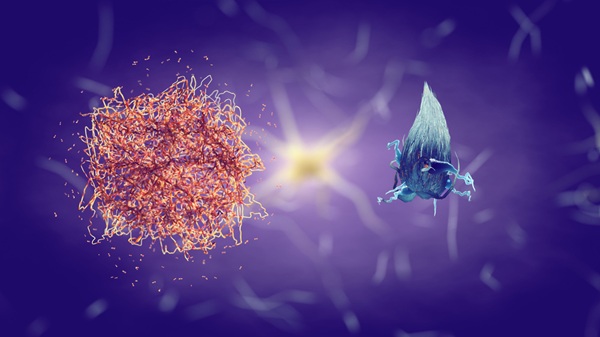
In the research led by the University of Edinburgh (Scotland, UK), investigators focused on granzyme A (GzmA), an enzyme released by overactive T cells that are known to drive tissue damage and inflammation in IBD. After identifying elevated GzmA levels in inflamed intestinal tissue from IBD patients, the team designed an optical luminescent reporter that emits light when it detects GzmA activity.
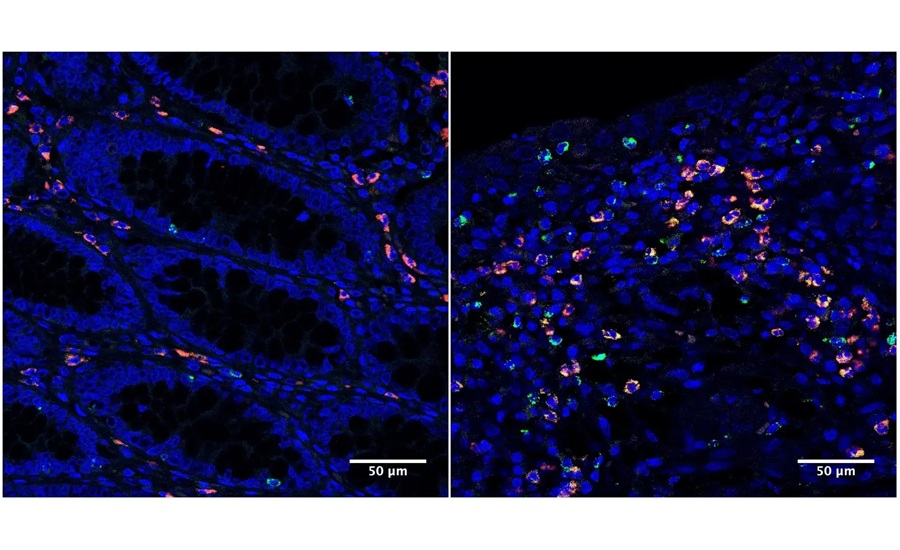
The reporter produces stronger light signals when enzyme activity is higher, allowing inflammation levels to be quantified directly from stool samples. Unlike conventional fecal tests that measure indirect markers such as calprotectin, this approach targets a molecule closely linked to immune-driven gut inflammation. The tool is designed to be fast, sensitive, and compatible with non-invasive stool testing workflows.
The luminescent reporter was tested on 150 stool samples from both IBD patients and healthy individuals. When combined with standard fecal calprotectin testing, the new method identified IBD more accurately than calprotectin alone. The findings, published in the journal Gut, demonstrate that measuring GzmA activity provides additional, disease-relevant information.
Researchers suggest that the ability to detect gut-specific immune activity could reduce unnecessary colonoscopies and enhance diagnostic confidence. The tool could also support personalized treatment by enabling rapid monitoring of inflammation levels in response to therapy. Further validation studies are planned before the approach can be translated into routine clinical use.
“The speed and sensitivity of our optical tool has the potential to accelerate future studies into the roles of the immune system in IBD, as well as improving the pathway to diagnosis,” said Professor Marc Vendrell, study lead. “In the future, these optical tools could also be used to help tailor treatments for IBD patients.”
Related Links:
University of Edinburgh






 Analyzer.jpg)