Global Coagulation Analyzers Market Driven by Growing Awareness About Timely Diagnosis of Blood Clots
Posted on 18 Jan 2022
The global coagulation analyzers market is expected to reach USD 11.7 billion by 2028, driven by the increasing understanding of blood clots and the fact that they can be avoided with early detection.
These are the latest findings of Reports and Data (New York City, NY, USA), a market research and consulting company.
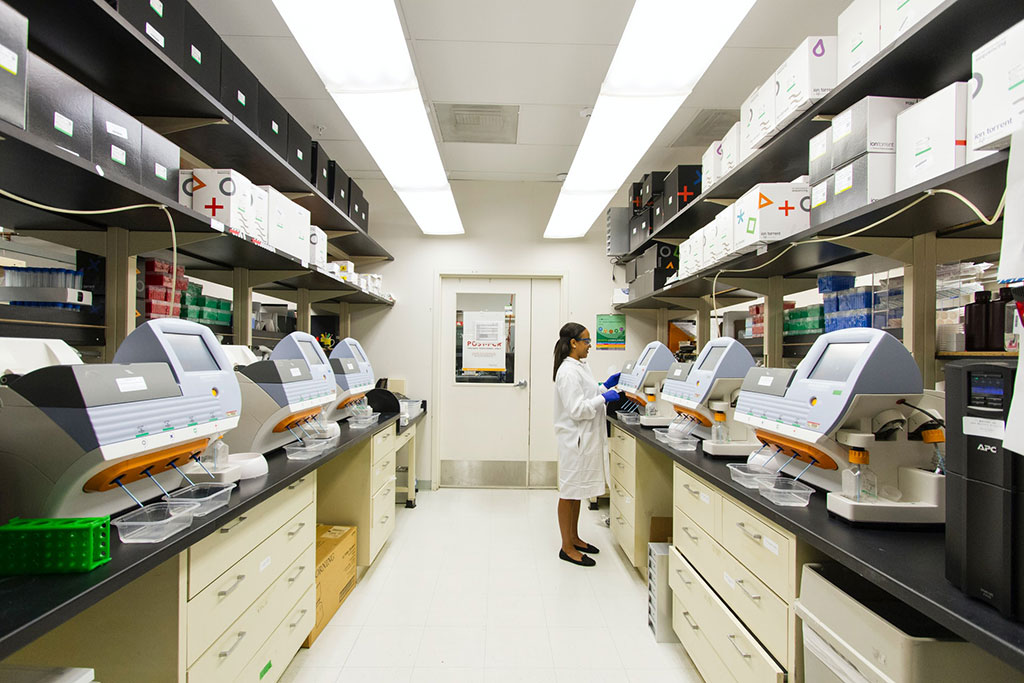
Genetic disorders, as well as vitamin K deficiency and heart disease, can contribute to blood clotting. Without warning, people with pulmonary embolism sometimes die. Hence, an increase in incidences of blood clotting and the need for early detection to save lives are driving the growth of the global market for coagulation analyzers.
However, limited knowledge of timely blood clot detection and lack of qualified coagulation analyzers will hamper market growth. A substantial portion of the population in the developed countries is also unaware of the need for routine check-ups. People do not have access to proper healthcare in several under-privileged nations. These factors can pose significant challenges to the growth of the global coagulation analyzers market.
Based on product, the analyzers segment held the highest share in terms of sales of the coagulation analyzers market in 2020 and is projected to record a significant growth over the coming years. On the basis of technology, the optical technology segment is expected to hold the highest market share in the coagulation analyzers market due to the combination of immunological, chromogenic and photo-optical techniques that have resulted in the development of high-performance, multipurpose optical haemostasis analyzers.
Based on test type, the D-dimer segment is projected to account for the largest share of the coagulation analyzers market. On the basis of end-use, the clinical laboratory segment held the largest share of the coagulation analyzers market in 2020. For routine hematological examination of patients, clinical laboratory analyzers are generally used in hospitals. Based on commodity, the consumables segment holds the largest share of the coagulation analyzers market. All tests require reagents and hence, large inventories or repeat orders of these materials are maintained by hospitals, resulting in greater demand. Sales of consumables are also expected to increase along with the increase in research and development of new assays.
Geographically, the Asia Pacific coagulation analyzers market is expected to experience a lucrative growth due to sufficient hospitals, health centers and clinics in the region. With economic growth and improved access to healthcare in countries with a large population such as India and China, people are paying more attention to their health, thus generating growth opportunities for the coagulation analyzers market in the Asia Pacific region.
Related Links:
Reports and Data