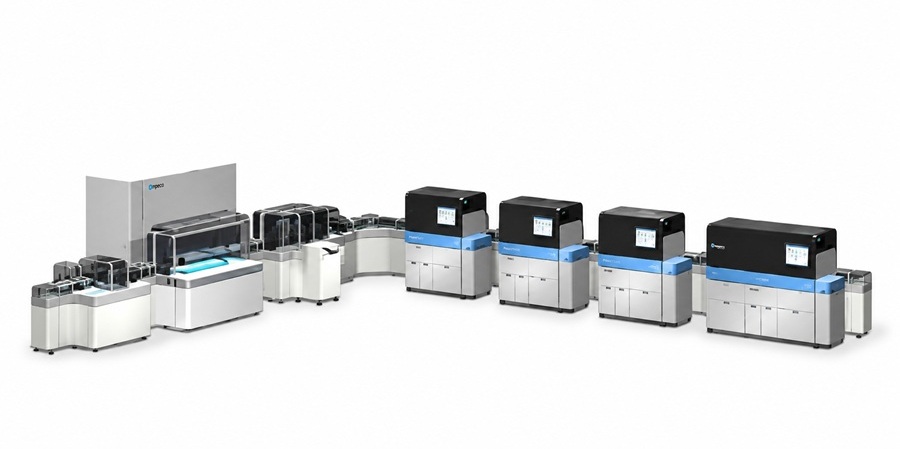
Infectious Disease IVD Sector Unaffected by Vaccine Development
By LabMedica International staff writers
Posted on 23 Dec 2013
A variety of factors will boost the infectious disease IVD market, even if vaccines are developed and widely distributed. Posted on 23 Dec 2013
Shara Rosen, an analyst at the medical market research company, Kalorama Information (New York, NY, USA) and the author of a new report on the world market for infectious disease tests stated, ‘‘[....] in light of the recent reemergence of tuberculosis, measles, and malaria; and the persistence of polio, it is unrealistic to think that a disease could be totally eliminated around the world at the same time."
Vaccines have been successful in preventing disease, but Kalorama Information believes that does not mean they will upset the market for products to test for those diseases. The healthcare market research publisher says a variety of factors will boost the infectious disease IVD market, even if vaccines are developed and widely distributed. The world market for infectious disease tests is estimated at USD 14.5 billion in 2012, and with 5% Compound Annual Growth Rate (CAGR), will reach USD18.3 billion in 2017, according to their latest report.
In addition, pathogens constantly change their genetic make-up, which challenges the development of vaccines against infectious diseases. This genetic flexibility allows many infectious agents to mutate or evolve into more deadly strains against which humans have little or no resistance: the Human Immunodeficiency Virus (HIV) and influenza viruses, for example, constantly mutate and recombine to find their way through the host defense mechanisms. Finally, the vaccine market may not be strong enough to encourage enough entrants for all the possible infectious diseases. Even existing vaccine markets sometimes fail.
The flu epidemic scare of 2009 resulted in a shortage of flu vaccines, the industry prepared to avoid this in the future. However, things did not quite work out for them. In 2012, companies produced about 145 million doses and only about 129 million were distributed. In 2011, companies lost even more on the flu vaccine because it was such a light flu season and fewer people decided to get the shot.
Kalorama Information is a division of MarketResearch.com; it supplies the latest in independent medical market research in diagnostics, biotech, pharmaceuticals, medical devices, and healthcare; as well as a full range of custom research services.
Related Links:
Kalorama Information




Platinum Member

Automated Coagulation Analyzer
Hemolumi H6

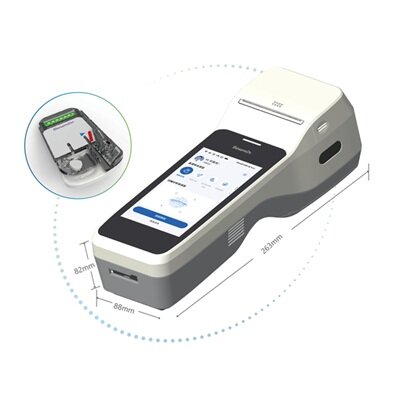

Portable POCT Blood Gas Analyzer
BD100

Gold Member

Flocked Fiber Swabs
Puritan® Patented HydraFlock®