Thermochemical Nanolithography Now Allows Multiple Chemicals on One Chip
|
By LabMedica International staff writers Posted on 05 Jan 2010 |


|
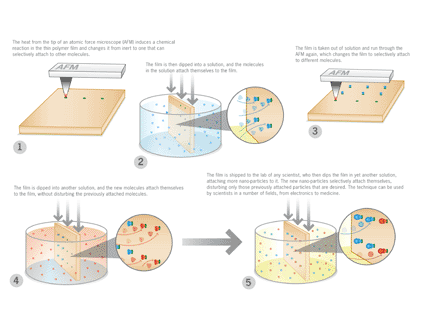
Image: A diagram of thermochemical nanolithography (Photo courtesy of David Terraso / Georgia Institute of Technology).
Scientists have developed a nanolithographic technique that can produce high-resolution patterns of at least three different chemicals on a single chip at writing speeds of up to one millimeter per second. The chemical nanopatterns can be custom-designed with any required shape and have been shown to be sufficiently stable so that they can be stored for weeks and then used elsewhere.
The technique, known as thermochemical nanolithography, was described in the December 2009 issue of the journal Advanced Functional Materials. The research has applications in a number of scientific fields from electronics to medicine. "The strength of this method is really the possibility to produce low-cost, high-resolution and high-density chemical patterns on a sample that can be delivered in any lab around the world, where even nonexperts in nanotechnology can dip the sample in the desired solution, and for example, make nanoarrays of proteins, DNA, or nanoparticles,” said Dr. Elisa Riedo, associate professor in the School of Physics at the Georgia Institute of Technology (Georgia Tech).
Theoretically, the technique is surprisingly simple. Using an atomic force microscope (AFM), researchers heat a silicon tip and run it over a thin polymer film. The heat from the tip induces a local chemical reaction at the surface of the film. This reaction changes the film's chemical reactivity and transforms it from an inert surface to a reactive one that can selectively attach other molecules. The team first developed the technique in 2007. Now they have added some important new twists that should make thermochemical nanolithography (TCNL) an extremely useful tool for scientists working at the nanoscale.
"We've created a way to make independent patterns of multiple chemicals on a chip that can be drawn in whatever shape you want,” said Dr. Jennifer Curtis, assistant professor in the School of Physics.
Being able to create high-resolution features of different chemicals in arbitrary shapes is important because some nanolithography techniques are limited to just one chemistry, lower resolutions and/or fixed shapes. Moreover, TCNL's speed capability of 1 mm/s makes it orders of magnitude faster than the widely used dip-pen nanolithography, which typically clocks at a speed of 0.0001 mm/s per pen.
The research is enabled by heated AFM probe tips that can create a hot spot as small as a few nanometers in diameter. Such tips are designed and fabricated by collaborator Prof. William King at the University of Illinois, Urbana-Champaign USA). "The heated tip allows one to direct nanoscale chemical reactions,” said Prof. King.
The new technique produces multiple chemical patterns on the same chip by using the AFM to heat a polymer film and change its reactivity. The chip is then dipped into a solution, which allows chemicals (for example, proteins or other chemical linkers) in the solution to bind to the chip on the parts where it has been heated. The AFM then heats the film in another spot. The chip is dipped into another solution and again another chemical can bind to the chip.
In the article, the scientists demonstrated how they patterned amine, thiol, aldehyde, and biotin using this technique. However, in principle, TCNL could be used for almost any chemical. Their research also shows that the chemical patterns can be used to organize functional materials at the surface, such as proteins and DNA.
"The power of this technique is that in principle it can work with almost any chemical or chemically reactive nano-object. It allows scientists to very rapidly draw many things that can then be converted to any number of different things, which themselves can bind selectively to yet any number of other things. So, it doesn't matter if you're interested in biology, electronics, medicine, or chemistry, TCNL can create the reactive pattern to bind what you choose,” said Dr. Seth Marder, professor in Tech's School of Chemistry and Biochemistry and director of the Center for Organic Photonics and Electronics.
In addition, TCNL allows the chemical writing to be performed in one location with the nano-object patterning in another, so that scientists who are not experts in writing chemical patterns on the nanoscale can still attach their objects to it. It is the technique's stability that makes this possible. "Once you draw the pattern, it's very stable and nonreactive. We've shown that you can have it for more than a month, take it out and dip it and it still will bind,” said Dr. Riedo.
"I would like to think that several years from now people will have access to a TCNL tool that enables them to do this patterning at a place like Georgia Tech, that's much less expensive than the kind of nanolithography tools we currently use in our clean room,” said Dr. Marder.
Related Links:
Georgia Institute of Technology
.jpg)




The technique, known as thermochemical nanolithography, was described in the December 2009 issue of the journal Advanced Functional Materials. The research has applications in a number of scientific fields from electronics to medicine. "The strength of this method is really the possibility to produce low-cost, high-resolution and high-density chemical patterns on a sample that can be delivered in any lab around the world, where even nonexperts in nanotechnology can dip the sample in the desired solution, and for example, make nanoarrays of proteins, DNA, or nanoparticles,” said Dr. Elisa Riedo, associate professor in the School of Physics at the Georgia Institute of Technology (Georgia Tech).
Theoretically, the technique is surprisingly simple. Using an atomic force microscope (AFM), researchers heat a silicon tip and run it over a thin polymer film. The heat from the tip induces a local chemical reaction at the surface of the film. This reaction changes the film's chemical reactivity and transforms it from an inert surface to a reactive one that can selectively attach other molecules. The team first developed the technique in 2007. Now they have added some important new twists that should make thermochemical nanolithography (TCNL) an extremely useful tool for scientists working at the nanoscale.
"We've created a way to make independent patterns of multiple chemicals on a chip that can be drawn in whatever shape you want,” said Dr. Jennifer Curtis, assistant professor in the School of Physics.
Being able to create high-resolution features of different chemicals in arbitrary shapes is important because some nanolithography techniques are limited to just one chemistry, lower resolutions and/or fixed shapes. Moreover, TCNL's speed capability of 1 mm/s makes it orders of magnitude faster than the widely used dip-pen nanolithography, which typically clocks at a speed of 0.0001 mm/s per pen.
The research is enabled by heated AFM probe tips that can create a hot spot as small as a few nanometers in diameter. Such tips are designed and fabricated by collaborator Prof. William King at the University of Illinois, Urbana-Champaign USA). "The heated tip allows one to direct nanoscale chemical reactions,” said Prof. King.
The new technique produces multiple chemical patterns on the same chip by using the AFM to heat a polymer film and change its reactivity. The chip is then dipped into a solution, which allows chemicals (for example, proteins or other chemical linkers) in the solution to bind to the chip on the parts where it has been heated. The AFM then heats the film in another spot. The chip is dipped into another solution and again another chemical can bind to the chip.
In the article, the scientists demonstrated how they patterned amine, thiol, aldehyde, and biotin using this technique. However, in principle, TCNL could be used for almost any chemical. Their research also shows that the chemical patterns can be used to organize functional materials at the surface, such as proteins and DNA.
"The power of this technique is that in principle it can work with almost any chemical or chemically reactive nano-object. It allows scientists to very rapidly draw many things that can then be converted to any number of different things, which themselves can bind selectively to yet any number of other things. So, it doesn't matter if you're interested in biology, electronics, medicine, or chemistry, TCNL can create the reactive pattern to bind what you choose,” said Dr. Seth Marder, professor in Tech's School of Chemistry and Biochemistry and director of the Center for Organic Photonics and Electronics.
In addition, TCNL allows the chemical writing to be performed in one location with the nano-object patterning in another, so that scientists who are not experts in writing chemical patterns on the nanoscale can still attach their objects to it. It is the technique's stability that makes this possible. "Once you draw the pattern, it's very stable and nonreactive. We've shown that you can have it for more than a month, take it out and dip it and it still will bind,” said Dr. Riedo.
"I would like to think that several years from now people will have access to a TCNL tool that enables them to do this patterning at a place like Georgia Tech, that's much less expensive than the kind of nanolithography tools we currently use in our clean room,” said Dr. Marder.
Related Links:
Georgia Institute of Technology

Gold Member
Clinical Chemistry Assay
Sorbitol Dehydrogenase (SDH)
Electrolyte Analyzer
BKE-B
Hematology Consumables
Bioblood Devices
Latest Technology News
- AI Platform Links Biomarker Results to Cancer Clinical Trials and Guidelines
- Agentic AI Platform Supports Genomic Decision-Making in Oncology
- Algorithm Panel Aids Liver Fibrosis Assessment and Liver Cancer Surveillance
- Mailed Screening Kits Help Reduce Colorectal Cancer Screening Gaps
- AI-Enabled Assistant Unifies Molecular Workflow Planning and Support
- AI Tool Automates Validation of Laboratory Software Configuration Changes
- Point-of-Care Testing Enhances Health Literacy and Self-Management in Chronic Disease
- Fully Automated Sample-to-Insight Workflow Advances Latent TB Testing
- Tumor-on-a-Chip Platform Models Pancreatic Cancer Treatment Response
- New Platform Captures Extracellular Vesicles for Early Cancer Detection
- Microfluidic Single-Cell Assay Predicts Breast Cancer Risk
- AI Tool Predicts Non-Response to Targeted Therapy in Colorectal Cancer
- Integrated System Streamlines Pre-Analytical Workflow for Molecular Testing
- Noninvasive Sputum Test Detects Early Lung Cancer
- New AI Tool Enables Rapid Treatment Selection in Pediatric Leukemia
- Rapid Biosensor Detects Drug Sensitivity in Breast Tumors
Channels
Clinical Chemistry
view channel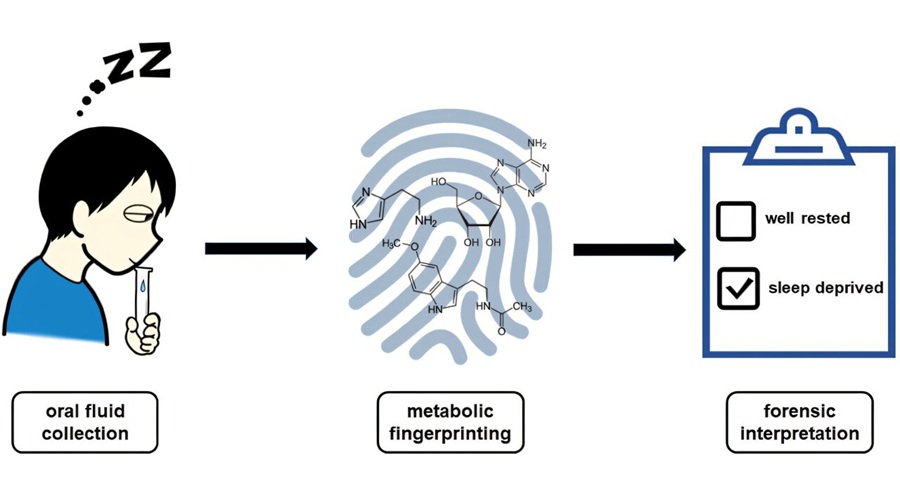
Saliva-Based Test Detects Biochemical Signs of Sleep Loss
Acute sleep loss impairs cognition and motor skills, raising safety risks that resemble alcohol intoxication. Clinicians currently lack an objective biochemical test to determine when someone is dangerously... Read more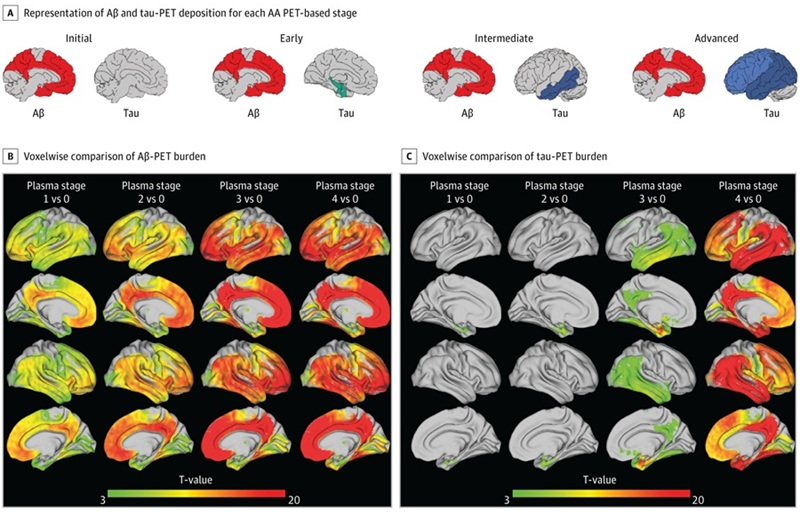
Simple Dual-Tau Blood Test Detects and Stages Alzheimer’s Disease
Alzheimer’s disease is typically confirmed and staged with positron emission tomography scans and cerebrospinal fluid testing, procedures that are costly and invasive. Broader access to minimally invasive... Read more
Alzheimer’s Blood Biomarkers Linked to Early Cognitive Differences Before Dementia
Blood-based screening for Alzheimer’s disease offers a noninvasive, lower-cost alternative to brain imaging or spinal fluid testing, yet its ability to flag the earliest cognitive changes has been unclear.... Read more
Molecular Diagnostics
view channel
New PCR Assay Supports Bundibugyo Ebola Outbreak Surveillance
Rapid identification of Ebola infections is essential to limit transmission and guide public health response, yet detection can be difficult when outbreaks involve rare variants. The current outbreaks... Read more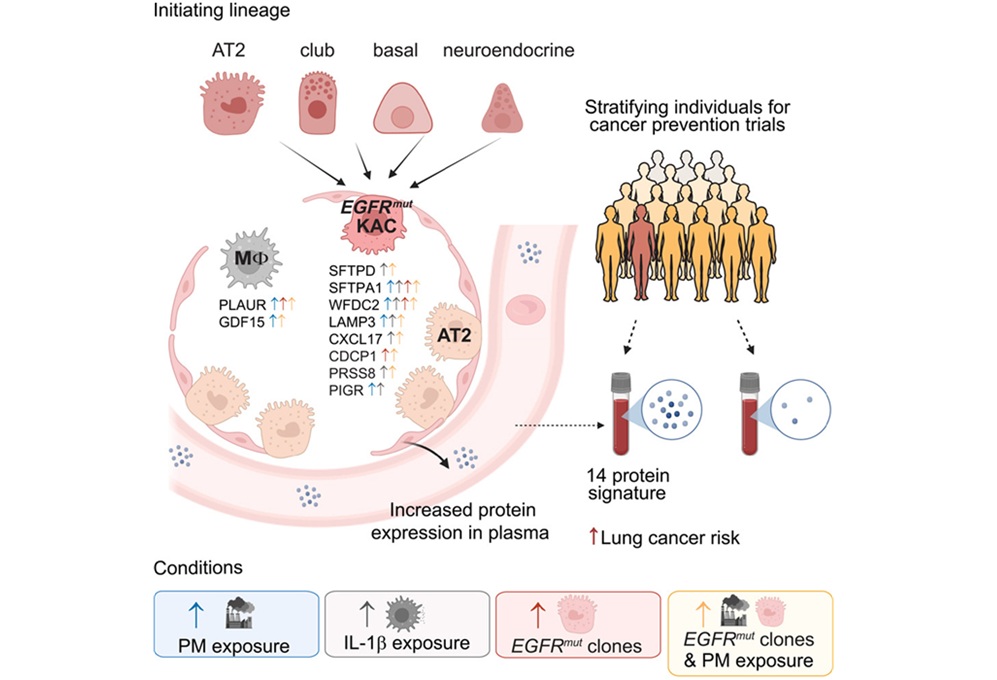
Plasma Protein Signature Predicts Lung Cancer Risk Up to Five Years Ahead
Lung cancer remains a leading cause of cancer death, and many cases are detected only after symptoms appear. Current screening programs largely target people with a history of smoking, leaving other at-risk... Read more
Hematology
view channel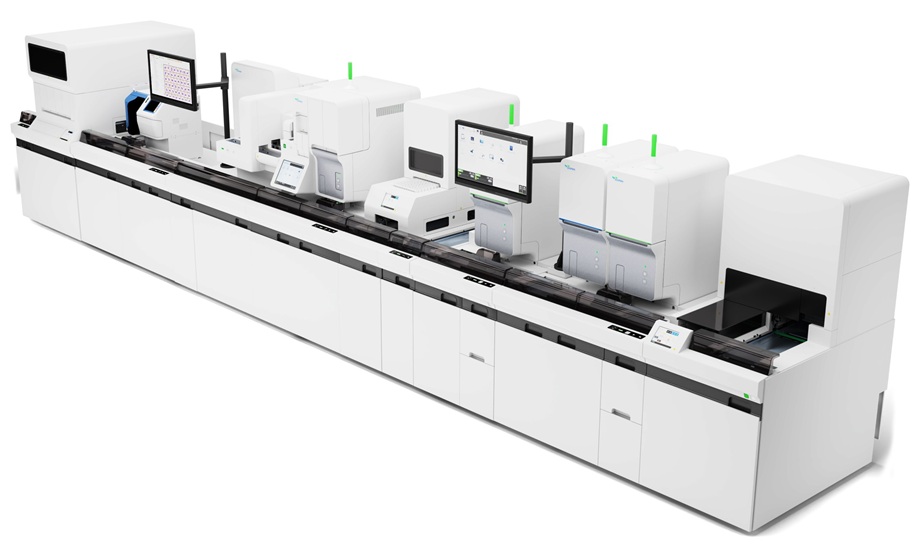
Next-Generation Hematology Platform Streamlines High-Complexity Lab Workflows
Sysmex America (Chicago, IL, USA) has introduced the next generation XR-Series, centered on the XR-10 Automated Hematology Module for high-complexity laboratories. The platform builds on the widely used... Read more
Blood Eosinophil Count May Predict Cancer Immunotherapy Response and Toxicity
Immune checkpoint inhibitors have improved outcomes across many cancers, yet only a subset of patients derive durable benefit and biomarkers to guide treatment remain limited. Eosinophils, best known for... Read more
Immunology
view channel
Aptamer-Based Biosensor Enables Mutation-Resilient SARS-CoV-2 Detection
Rapid evolution of severe acute respiratory syndrome coronavirus 2 (SARS-CoV-2) can undermine existing molecular diagnostics, especially when assays target small viral components. Double-antibody sandwich... Read more
Study Points to Autoimmune Pathway Behind Long COVID Symptoms
Long COVID leaves many SARS-CoV-2 survivors with persistent fatigue, cognitive issues, palpitations, and musculoskeletal pain for months or years. Estimates cited in new research suggest 4%–20% of infected... Read more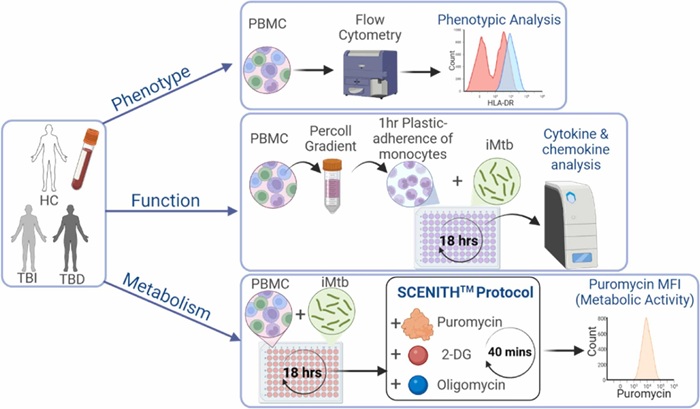
Metabolic Biomarker Distinguishes Latent from Active Tuberculosis and Tracks Treatment Response
Tuberculosis (TB) remains the world’s leading infectious killer, with 10.8 million cases and 1.25 million deaths recorded globally in 2023. Yet many infected individuals never develop active disease, underscoring... Read more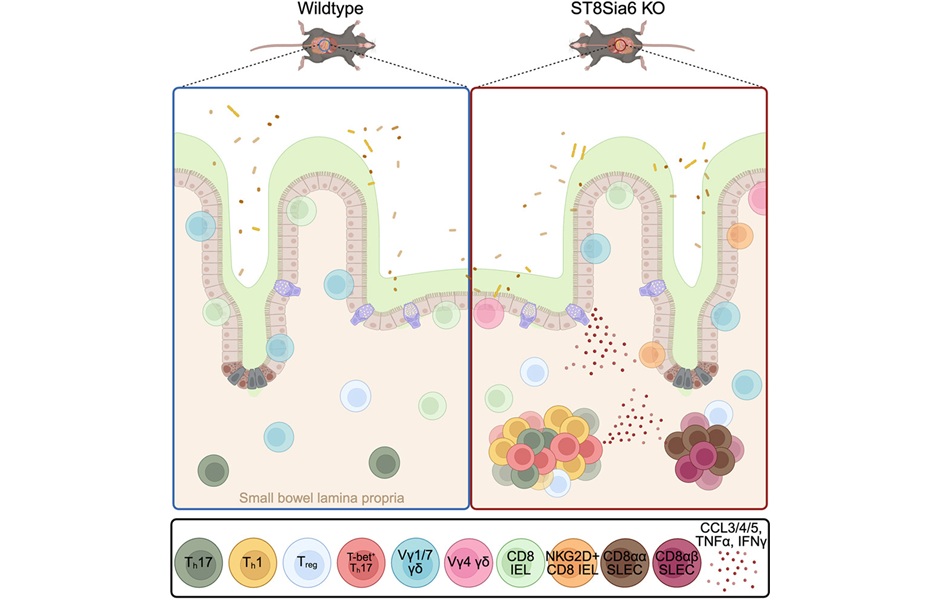
Microbiology
view channel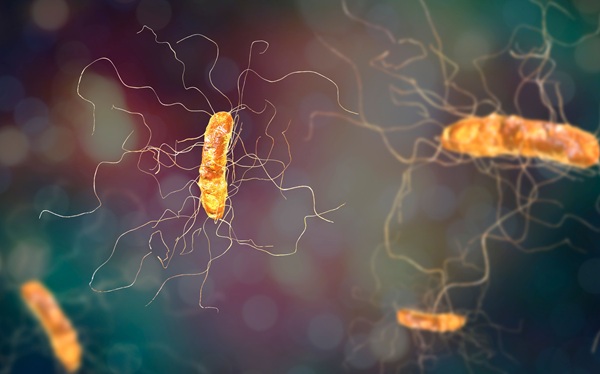
New Culture Medium Speeds C. difficile Resistance Detection and Reduces Costs
Clostridioides difficile infections remain a persistent threat in hospitals and communities, affecting about 500,000 people in the United States each year. Severe cases can be fatal within 30 days of diagnosis,... Read more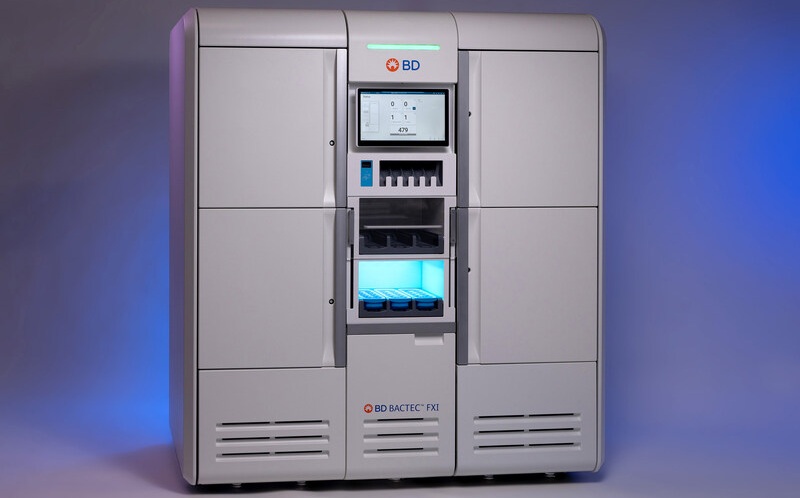
Automated Blood Culture System Speeds Detection of Bloodstream Infections
Bloodstream infections and sepsis require rapid laboratory detection to guide targeted antimicrobial therapy and reduce mortality. Conventional blood culture workflows can delay actionable results by critical... Read more
Pathology
view channel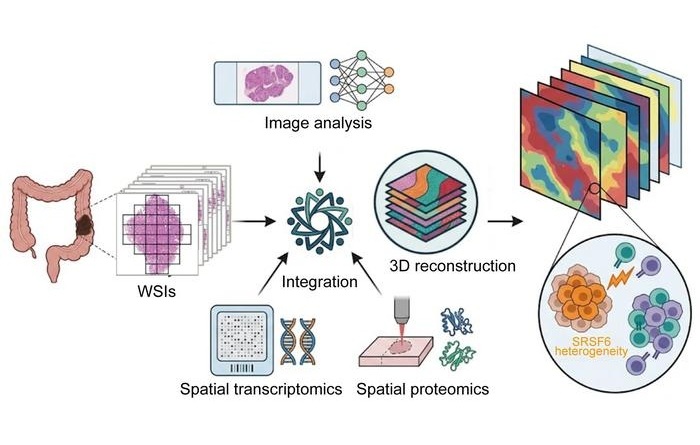
3D Spatial Multi-Omics Maps Intra-Tumor Diversity in Colorectal Cancer
Colorectal cancer remains a leading cause of cancer death, and clinical decision-making is complicated by marked intra-tumor heterogeneity. Conventional bulk sequencing averages molecular signals across... Read more
Blood-Based Method Tracks Gene Activity in the Living Brain
Real-time measurement of gene activity in the brain has been limited by assays requiring destructive tissue sampling. Tracking active genes could reveal how the body responds to environmental factors,... Read more
Industry
view channel
Collaboration Advances ctDNA-Guided Development in Metastatic Colorectal Cancer
Natera, Inc. (Austin, TX, USA) and CytoDyn Inc. (Vancouver, WA, USA) announced a strategic collaboration focused on metastatic colorectal cancer (mCRC). Under the agreement, Natera will evaluate circulating... Read more