Hidden 'Jumping Gene' Variant Linked to Higher Pancreatic Cancer Risk
Posted on 21 May 2026
Pancreatic cancer risk among some French-Canadians in Quebec has been difficult to explain, as conventional genetic workups have often failed to identify inherited drivers. Although founder effects can concentrate rare variants within specific populations, some DNA changes remain difficult to detect with older assays. Identifying these hidden alterations is essential for more precise risk classification in at-risk groups. New findings show that a centuries-old genetic mutation helps explain a measurable share of risk in this population.
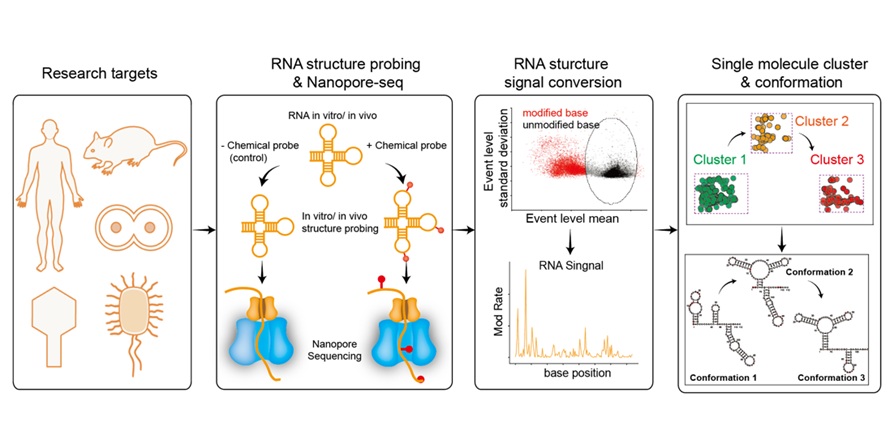
McGill University (Montreal, Canada) researchers identified an Alu insertion, known as ATM c.7374_7375insAlu, as a French-Canadian founder variant linked to pancreatic and breast cancer. The insertion functions as a “jumping gene,” a piece of DNA that can copy itself and insert into new locations in the genome. When it disrupts the ATM gene, it can impair DNA repair. The study also shows that this variant was often missed by standard genetic tests, while newer sequencing technologies can now detect it.

Genetic analyses suggest the variant arose roughly 300 years ago, about 10 to 11 generations back, during or just before the early settlement of New France. Frequency estimates derived from the Quebec Pancreas Cancer Study and population data from CARTaGENE showed the variant in approximately 2% of pancreatic cancer cases versus about 0.2% of unaffected individuals, a roughly 10‑fold difference. The variant was also overrepresented among French‑Canadian women with breast cancer.
The study was published in the Journal of Medical Genetics. The authors note that better‑targeted genetic testing could help identify individuals at higher cancer risk who were previously missed. They also indicate that people who underwent genetic testing five to ten years ago may benefit from re‑evaluation through genetic counseling, and they point to the potential value of panels that include key cancer‑related founder variants.
“This population history creates unique opportunities to study inherited disease, since a small number of ‘founder’ mutations account for a significant fraction of all hereditary cases,” said William Foulkes, Distinguished James McGill Professor in McGill's Departments of Medicine, Oncology, and Human Genetics.
"There may be an opportunity to develop a panel that looks for a small number of key cancer‑related founder mutations. That could help identify people at higher risk earlier," said first author Yifan Wang, who conducted this work as a resident and Ph.D. student at McGill.
Related Links
McGill University