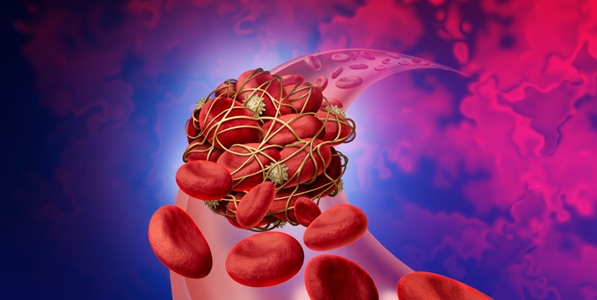
Old Red Blood Cells May Double Mortality in Trauma Patients
By LabMedica International staff writers
Posted on 07 Oct 2009
Severe trauma patients requiring a major blood transfusion are twice as likely to die if they receive red blood cells (RBCs) stored for a month or longer, according to a new study.Posted on 07 Oct 2009
Researchers at the Connecticut Children's Medical Center (Hartford, USA) conducted a retrospective cohort study that included 202 patients with traumatic injuries that compared patients transfused with one or more units of RBCs with a maximum storage age of up to 27 days, to those transfused with one or more RBC units with a maximum storage age greater than or equal to 28 days. These study groups were also matched by the amount of units transfused. Primary outcomes were deep vein thrombosis (DVT) and in-hospital mortality.
The researchers found that in the decreased RBC storage age group, DVT occurred in 16.7% of the patients, compared to 34.5% in the increased storage group. Mortality was 13.9% compared 26.7%, respectively. Patients transfused RBCs of increased storage age had an independent association with mortality, and had an increased incidence of death from multi-organ failure (16%), compared to the decreased RBC age group (7%). The study was published in the September 22, 2009, issue of the open access journal Critical Care, a publication of BioMed Central.
"The preferential use of younger RBCs to critically ill patients has the potential to increase waste due to outdating,” said lead author Philip Spinella, M.D. "Since blood is often a scarce resource this is important and methods need to be developed to minimize waste while providing the most efficacious and safe blood product for a given patient.”
Related Links:
Connecticut Children's Medical Center




Platinum Member

Automated Coagulation Analyzer
Hemolumi H6

Electrolyte Analyzer
BKE-B

Gold Member

Flocked Fiber Swabs
Puritan® Patented HydraFlock®